Aurora
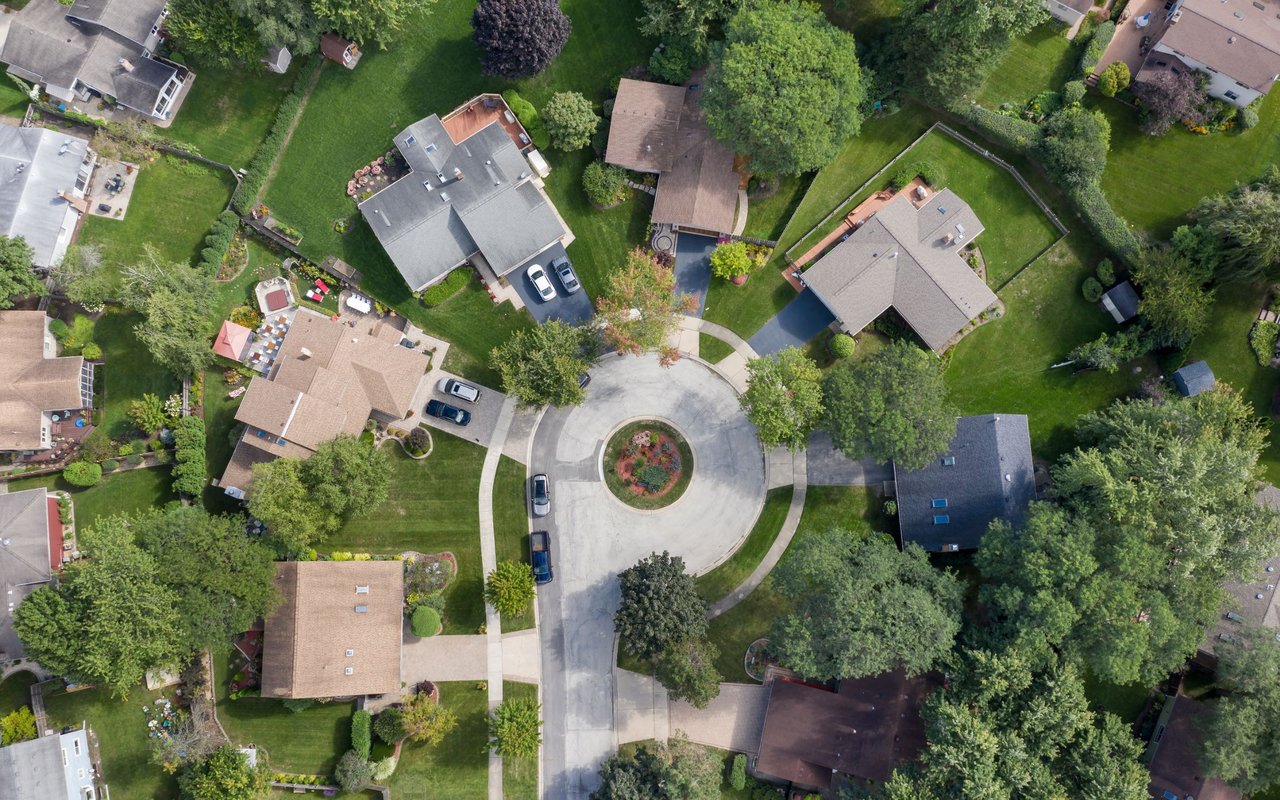
Aurora offers the space and value of suburban living with the energy, diversity, and amenities of a true city, making it one of the most dynamic places to live in the western suburbs.
Aurora offers the space and value of suburban living with the energy, diversity, and amenities of a true city, making it one of the most dynamic places to live in the western suburbs.
179,867 people live in Aurora, where the median age is 35.2 and the average individual income is $39,604. Data provided by the U.S. Census Bureau.
Total Population
Median Age
Population Density Population Density This is the number of people per square mile in a neighborhood.
Average individual Income
Living in Aurora, IL
A local guide for buyers who want space, value, and a real community
Aurora is Illinois’ second-largest city, stretching across four counties with a mix of historic neighborhoods, revitalized downtown energy, and fast-growing west-side development. If you’re searching things like “Is Aurora a good place to live?” “Aurora IL schools,” “Aurora commute to Chicago,” or “Aurora vs Naperville,” this page will give you the real-life overview — not the brochure version.
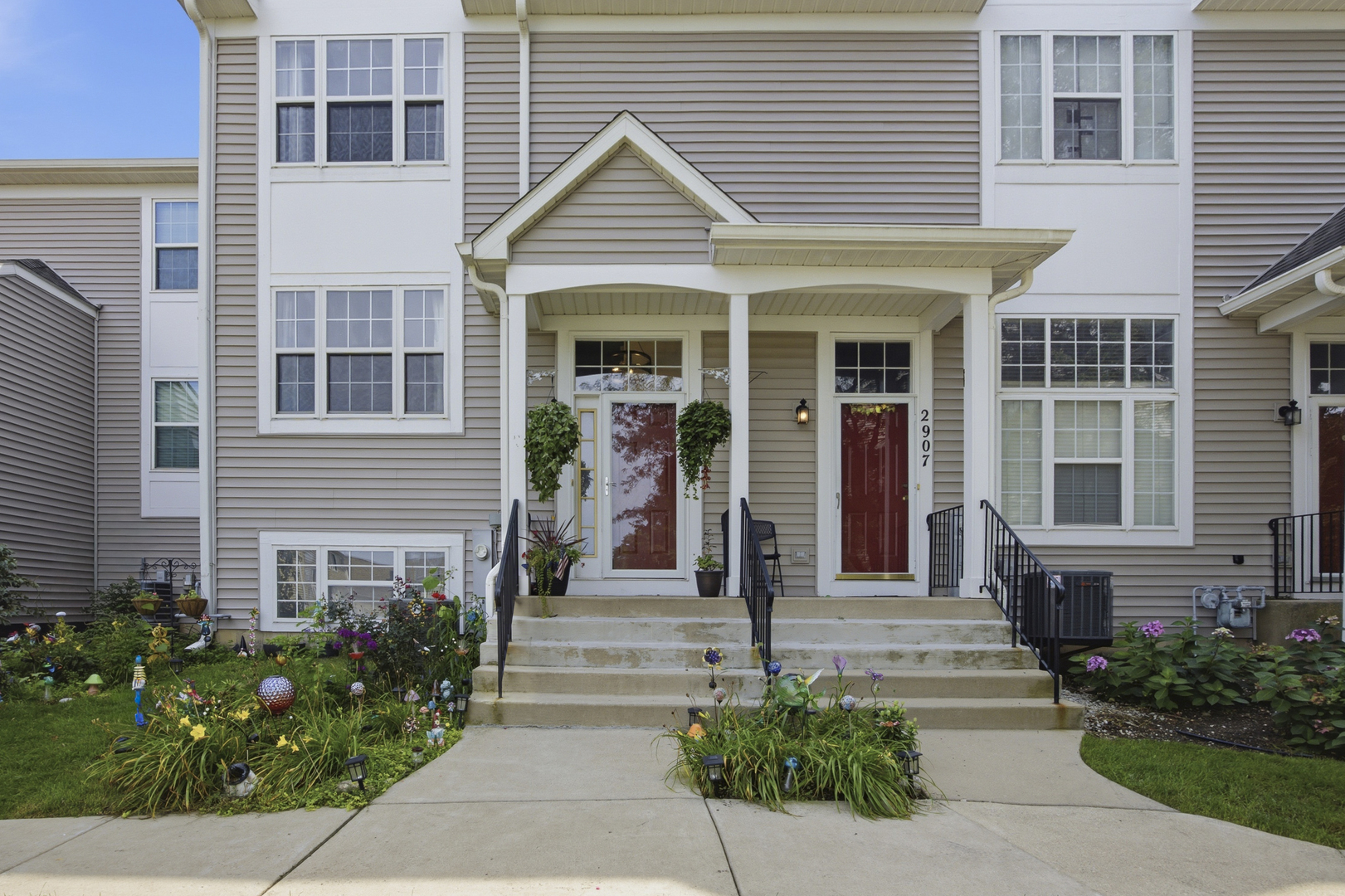
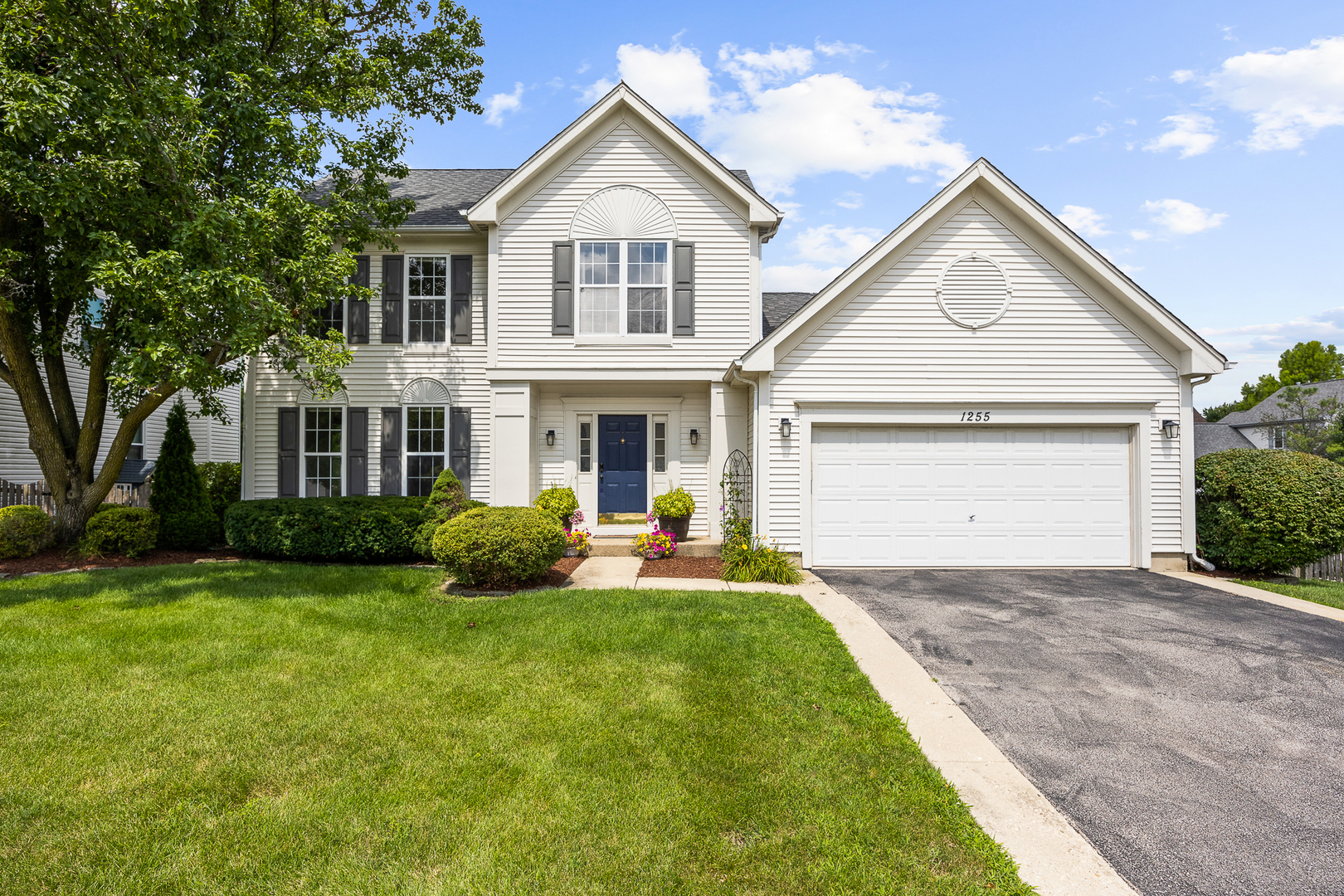
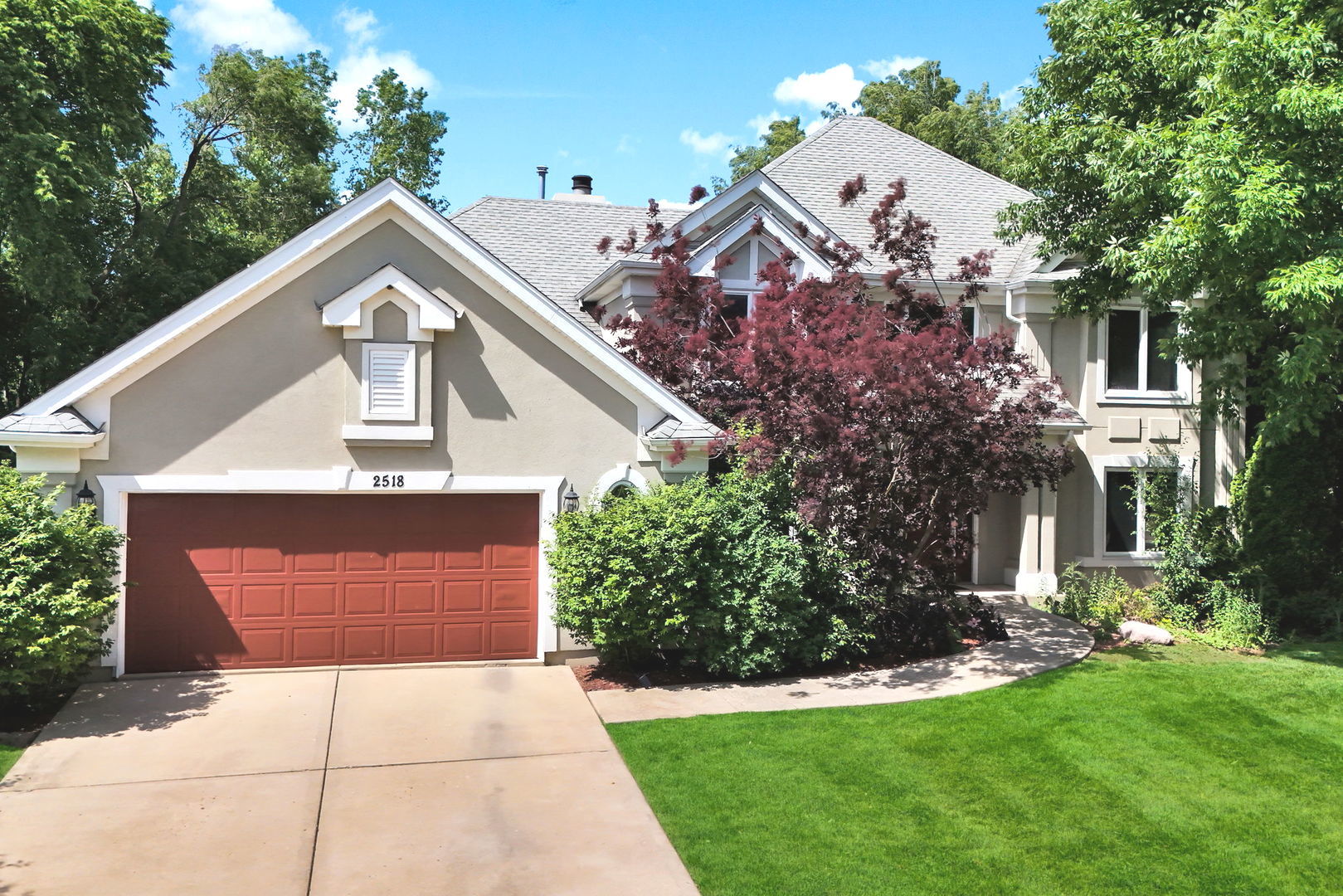
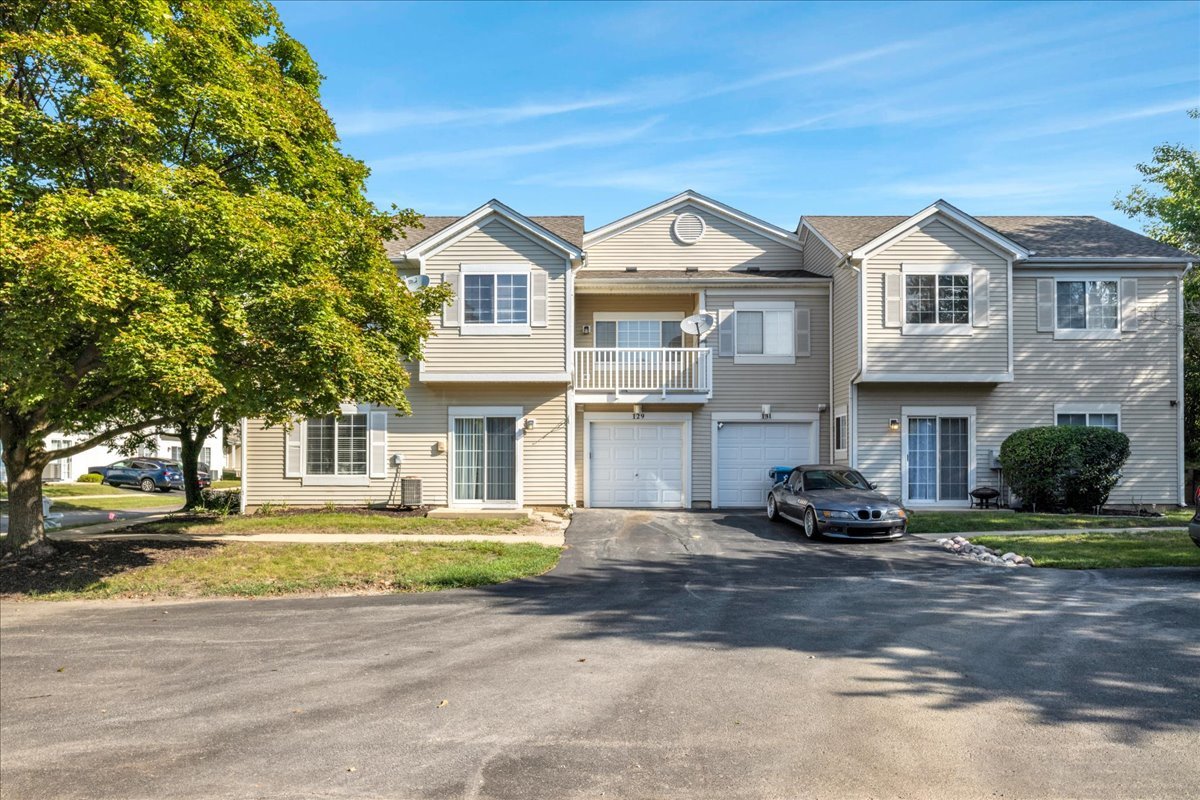
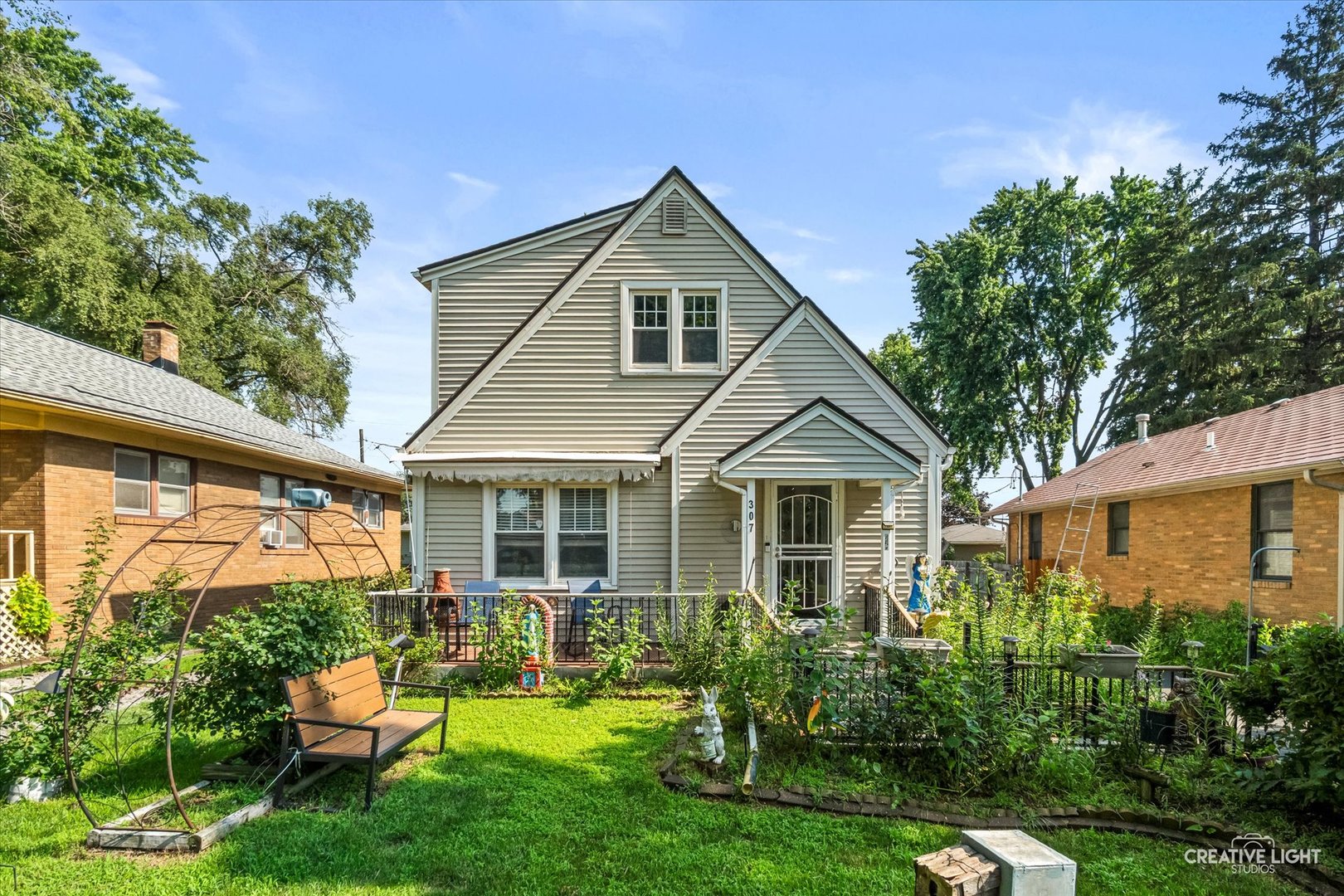
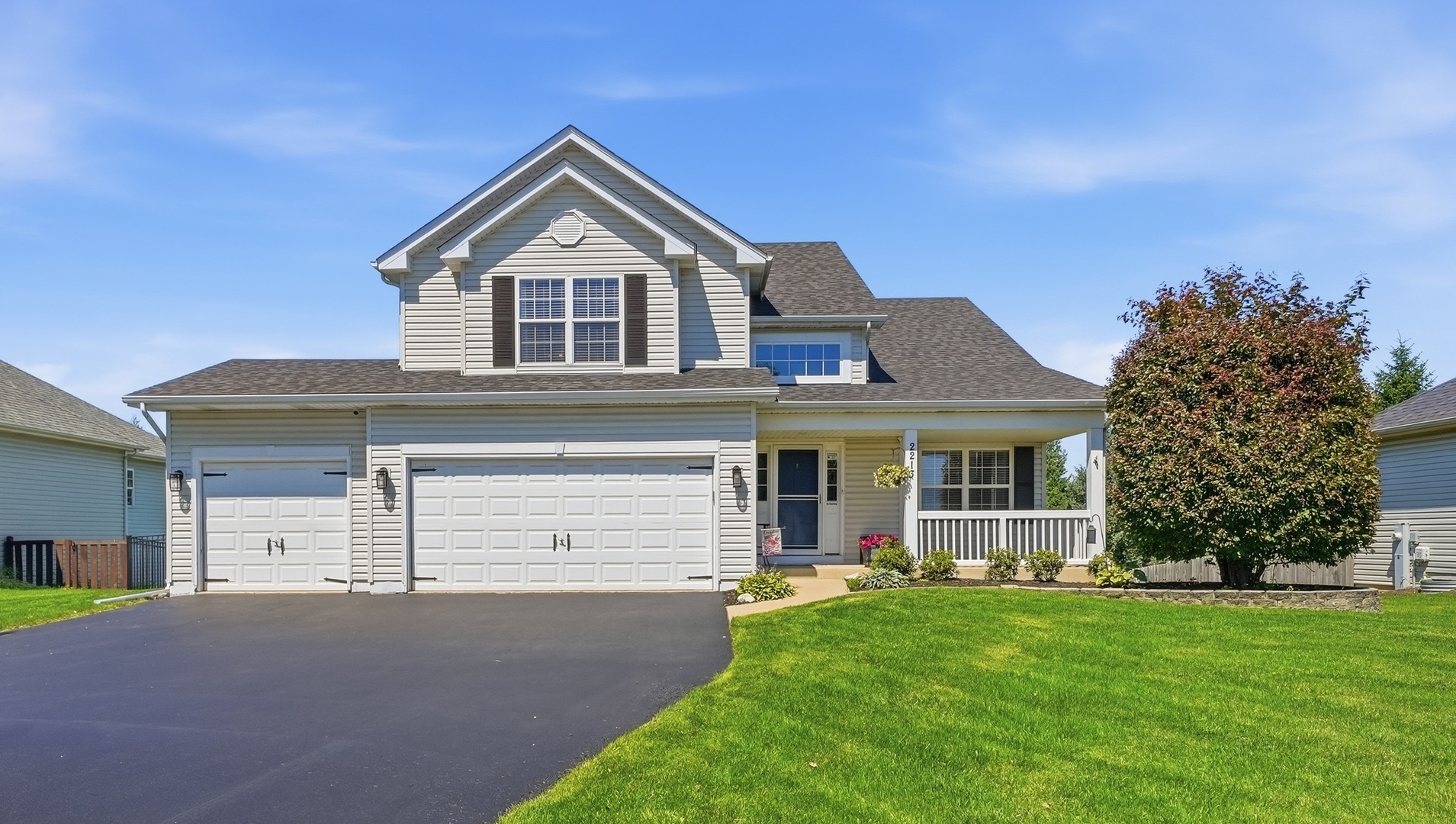
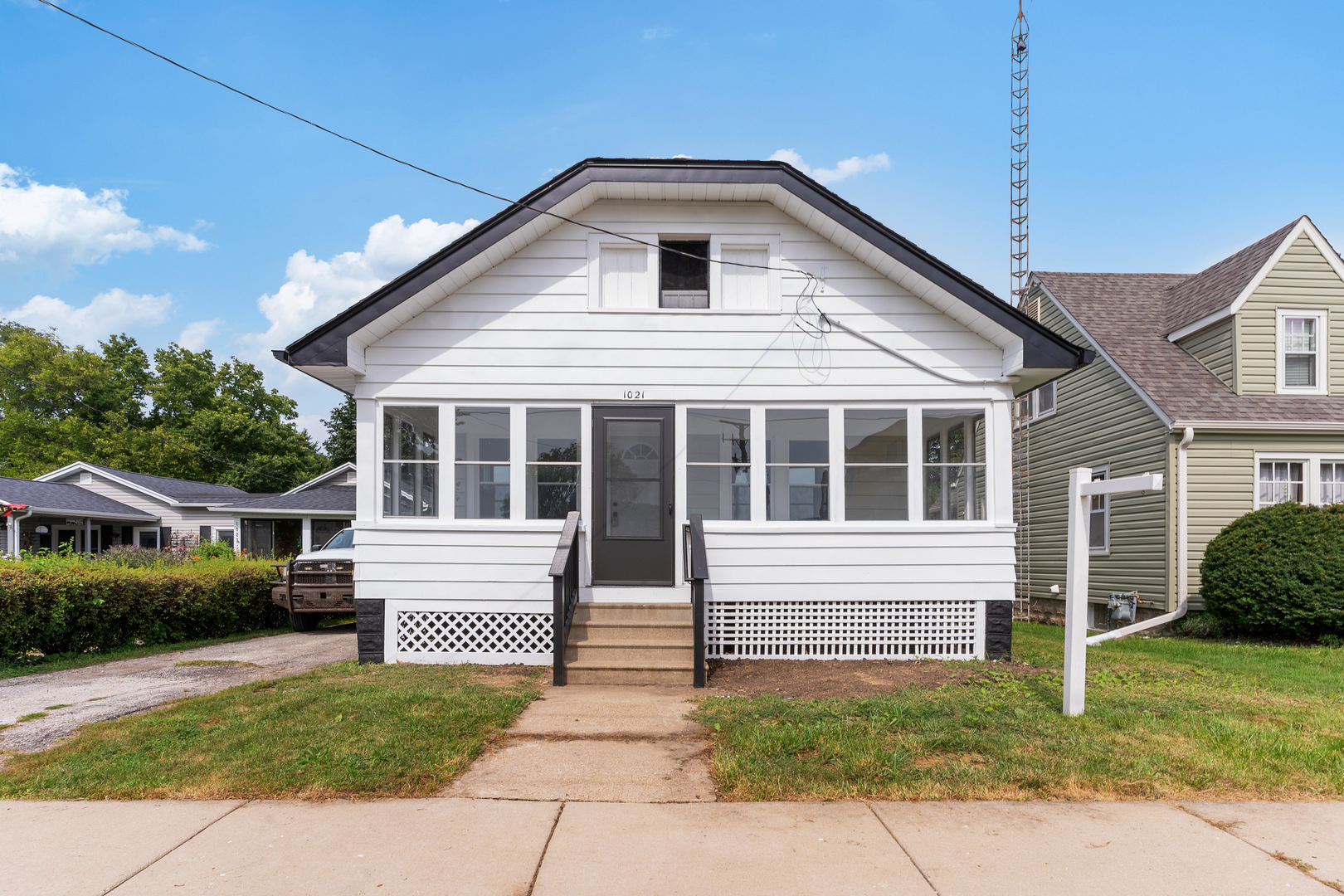
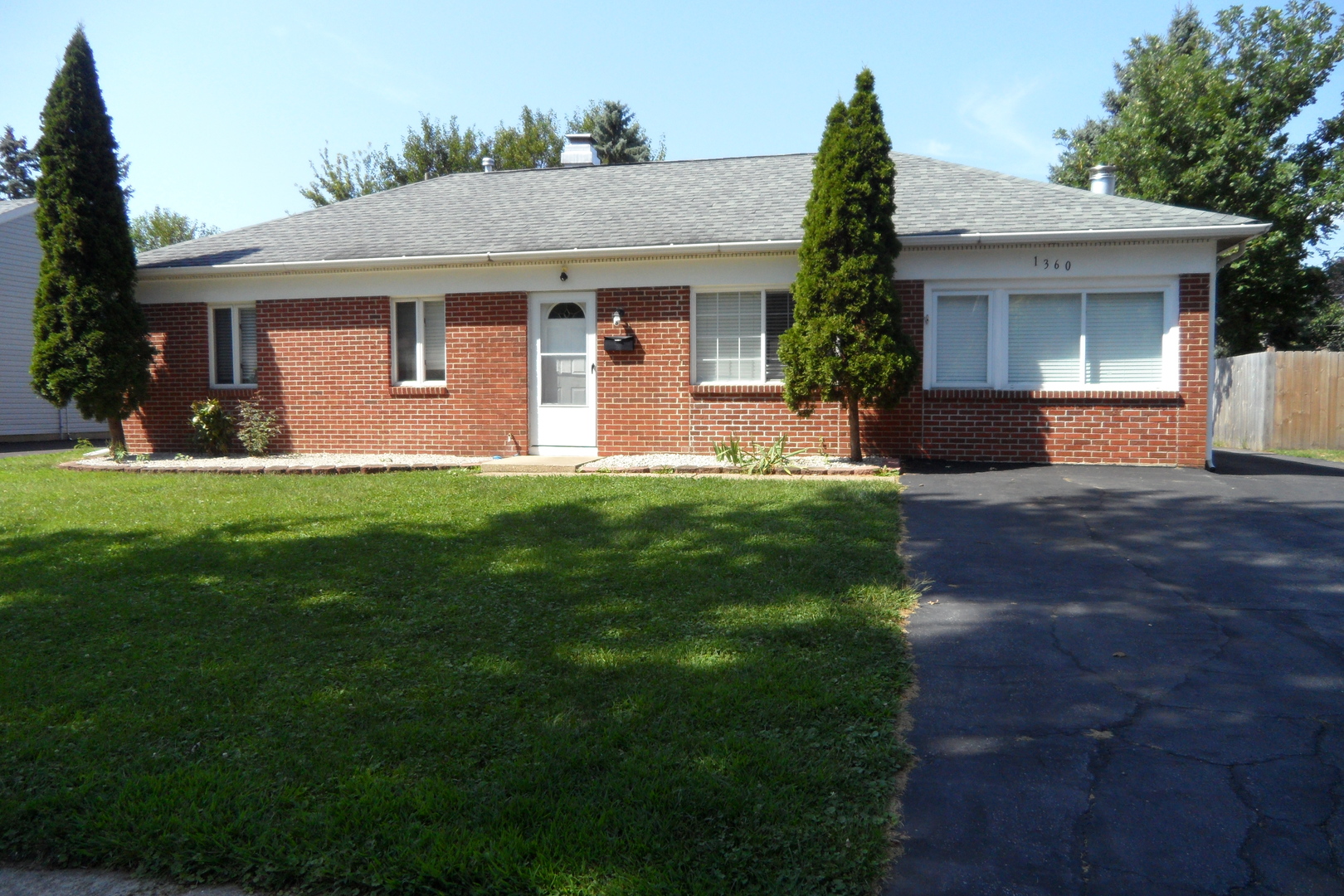
Aurora works for a lot of different buyers because it’s not one-size-fits-all. You can find older homes with character, newer subdivisions, walkable pockets near downtown, and areas that feel more “suburban new-build” depending on what you want.
Aurora has an energy you don’t get in many suburbs, because it’s a true city with its own identity.
More diversity (food, neighborhoods, housing types)
More “things to do” without driving 30 minutes
More range in price points compared to many nearby suburbs
One block can feel historic and established, another can feel brand new and growing fast. That variety is the point and it’s why Aurora has stayed in demand.
Weekdays are practical here. You’ve got access to major roads, a Metra option, and a lot of local amenities that keep life moving without feeling limited.
Weekends are where Aurora surprises people:
Downtown brings the “let’s actually go do something” vibe
Riverfront paths and parks make it easy to be outside
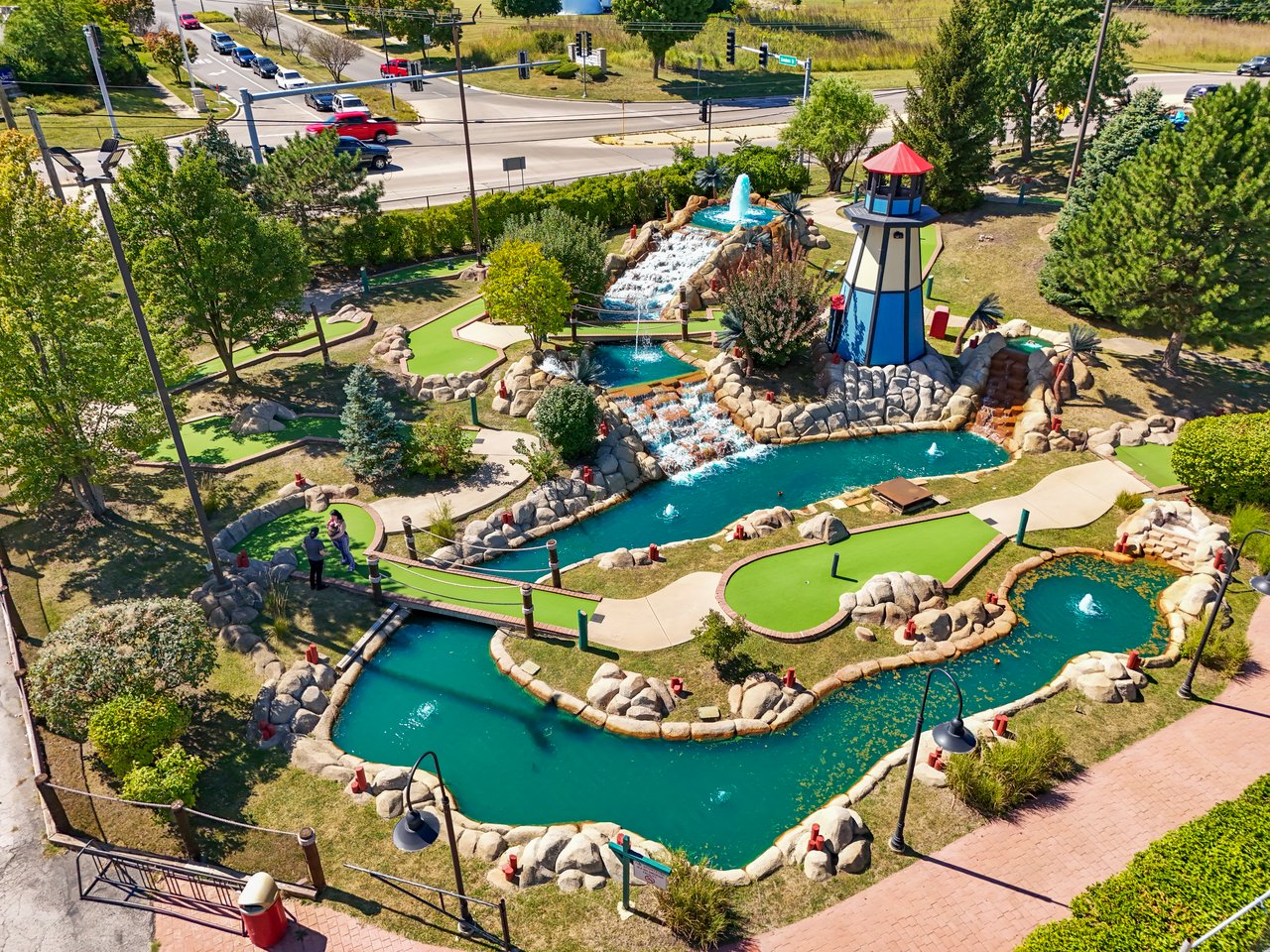
Families can do simple things that feel fun (zoo, park, events) without turning it into a whole trip
Aurora tends to feel active — not chaotic — especially if you like having options.
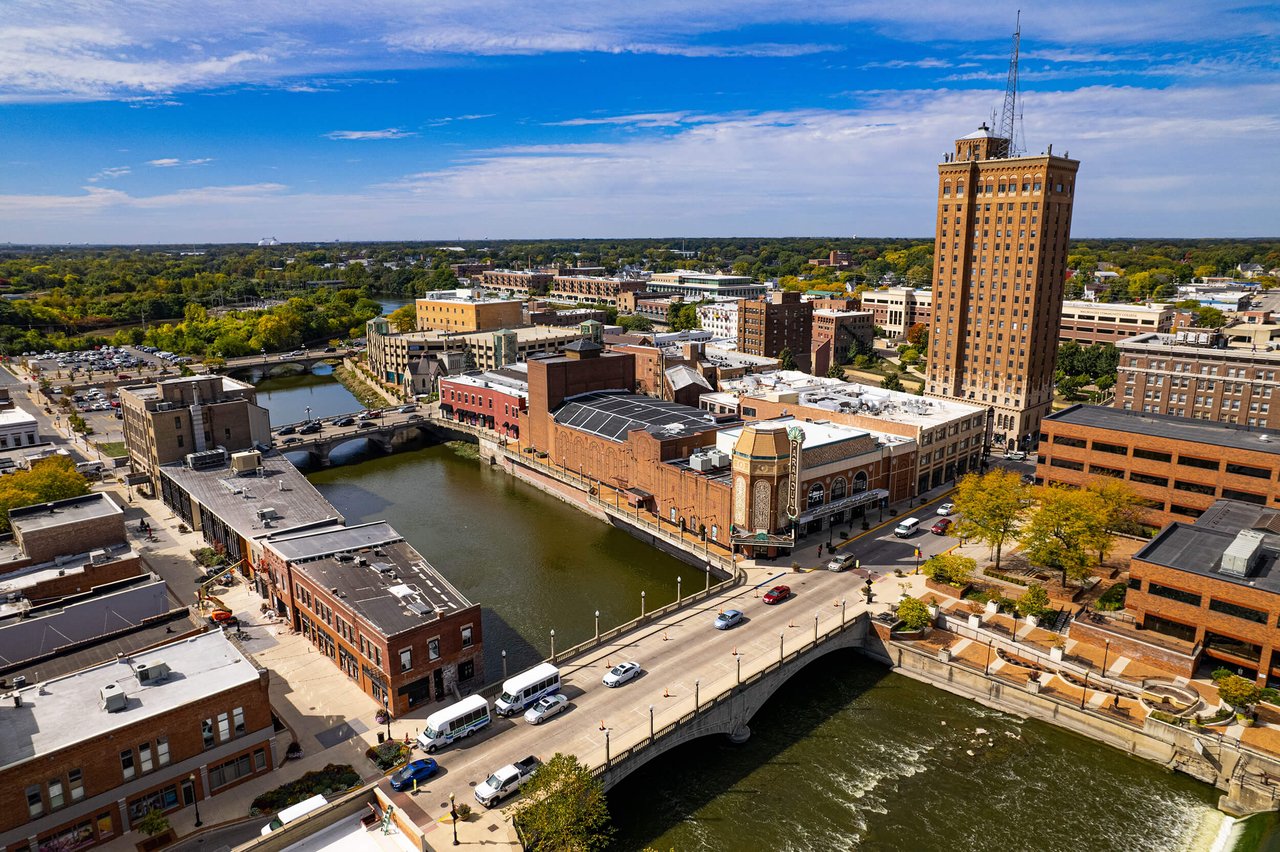
Aurora’s downtown has been steadily revitalizing, and it’s a real draw if you don’t want to feel stuck in “just neighborhoods.”
Highlights families and city-transplants care about:
Paramount Theatre
Riverfront paths / walking areas
Newer restaurants and spots opening up over time
Tons of Parks for events and an outdoor venue feel
If you’re moving from Chicago and nervous about losing all energy/social life, downtown Aurora is one reason this area is on more shortlists than people expect.
Aurora gives buyers range — that’s a big reason it’s considered a strong “value” suburb/city in the west suburbs.
You’ll find:
Established neighborhoods with mature trees and older homes
Mixed housing stock (single-family, townhomes, some newer builds)
Expanding developments on the west side with more modern layouts
Aurora can work for first-time buyers, growing families, and move-up buyers because you can choose the lifestyle and the budget more than in many nearby markets.
Aurora spans multiple school districts, which is important because school experience can change significantly depending on where you buy.
See below for School Information and Ratings
Aurora is built for commuters.
I-88 provides strong access across the western suburbs
Metra BNSF line is a major advantage for anyone commuting toward Chicago
Many families like that they can commute while still getting more house for the money
Aurora offers a wide range of outdoor and recreational options that make everyday life easy for families and active buyers.
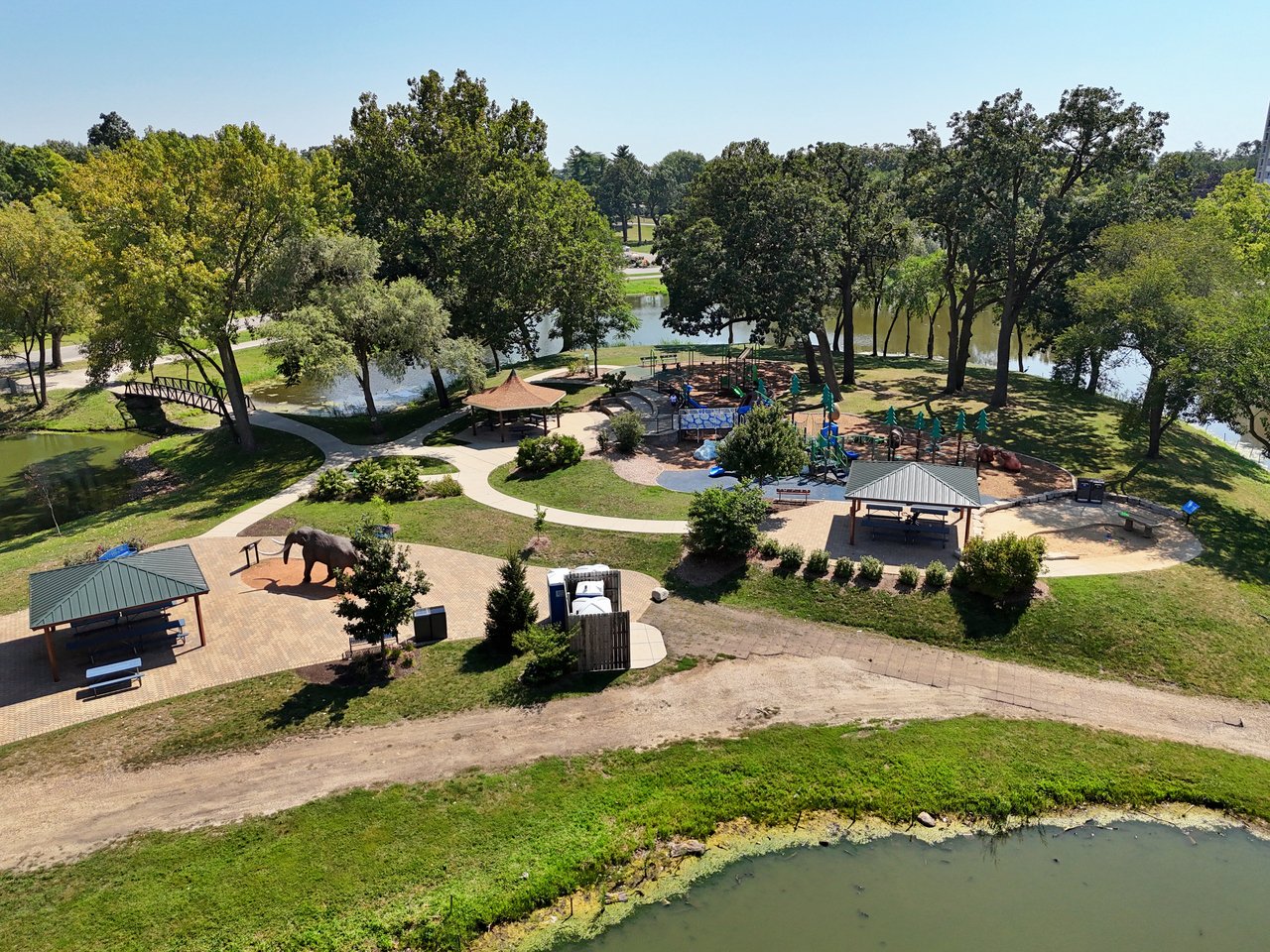
Phillips Park & Phillips Park Zoo – Large community park with walking paths, playgrounds, and a free zoo
Waubonsie Lake Park – Popular for walking trails, lake views, and open green space
Spring Lake Park & Jericho Lake Park – Scenic spots for walks, fishing, and outdoor time
Numerous neighborhood parks and nearby forest preserves throughout the city
Phillips Park Family Aquatic Center – Seasonal public pool with slides, splash areas, and family-friendly amenities
Phillips Park Golf Course – Public 18-hole course with driving range
Orchard Valley Golf Course – Well-liked public course for casual and regular golfers
Aurora Country Club – Private club with golf, pool, tennis, and social amenities
Additional highly rated courses within a short drive
Aurora’s mix of parks, recreation, pools, and golf options adds to its appeal for families who want things to do close to home without constant planning.
If you’re the type of family that wants easy weekend plans — walk, park, zoo, event, repeat — Aurora makes that simple.
Aurora is one of the more diverse places in the western suburbs, and you feel that in daily life — schools, restaurants, neighborhoods, and community events.
Aurora is usually a great fit for:
Families who want space and options without paying “top-tier suburb” pricing
Buyers who want a more lived-in, real community feel
People who like having an active downtown nearby
Commuters who need Metra + highway access
Buyers who want long-term upside through steady growth
Is Aurora, IL a good place to live?
For many buyers, yes — especially if you want diversity, value, commuting access, and a mix of old + new neighborhoods.
Is Aurora good for families?
Yes. Parks, trails, family activities, and a wide range of housing make it a common choice. The key is choosing the right pocket for schools and lifestyle.
How is the commute from Aurora to Chicago?
Aurora benefits from both I-88 and the Metra BNSF line, making it one of the more commuter-friendly west suburban markets.
What parts of Aurora are most in demand?
Areas closer to the Naperville border and Indian Prairie 204 tend to see strong demand, especially with family buyers.
If you’re considering Aurora, the biggest thing is narrowing down which part of Aurora fits your priorities: schools, commute, downtown access, home style, and budget.
Use the suburb guides on this site to compare Aurora with nearby areas (Naperville, Oswego, North Aurora, Batavia, Plainfield), and if you want help choosing the right neighborhoods for your situation, reach out through the contact page to get a personalized short list.
There's plenty to do around Aurora, including shopping, dining, nightlife, parks, and more. Data provided by Walk Score and Yelp.
Explore popular things to do in the area, including Amarillo, La Martinez Grocery Store, and The Sweet Dream.
| Name | Category | Distance | Reviews |
Ratings by
Yelp
|
|---|---|---|---|---|
| Dining | 0.21 miles | 0 reviews | 0/5 stars | |
| Dining | 0.21 miles | 0 reviews | 0/5 stars | |
| Dining | 0.29 miles | 0 reviews | 0/5 stars | |
| Dining | 0.42 miles | 0 reviews | 0/5 stars | |
| Dining | 0.47 miles | 0 reviews | 0/5 stars | |
| Dining | 0.59 miles | 0 reviews | 0/5 stars | |
| Dining | 0.84 miles | 0 reviews | 0/5 stars | |
| Shopping | 0.59 miles | 0 reviews | 0/5 stars | |
| Shopping | 0.9 miles | 1 review | 1/5 stars | |
| Shopping | 0.96 miles | 39 reviews | 3.7/5 stars | |
| Active | 0.21 miles | 0 reviews | 0/5 stars | |
| Active | 0.48 miles | 0 reviews | 0/5 stars | |
| Beauty | 0.21 miles | 0 reviews | 0/5 stars | |
| Beauty | 0.21 miles | 0 reviews | 0/5 stars | |
| Beauty | 0.45 miles | 4 reviews | 3.8/5 stars | |
| Beauty | 0.47 miles | 1 review | 5/5 stars | |
| Beauty | 0.63 miles | 0 reviews | 0/5 stars | |
| Beauty | 0.63 miles | 1 review | 5/5 stars | |
| Beauty | 0.63 miles | 0 reviews | 0/5 stars | |
| Beauty | 0.65 miles | 0 reviews | 0/5 stars | |
| Beauty | 0.8 miles | 0 reviews | 0/5 stars | |
| Beauty | 0.83 miles | 0 reviews | 0/5 stars | |
| Beauty | 0.85 miles | 0 reviews | 0/5 stars | |
| Beauty | 0.9 miles | 0 reviews | 0/5 stars | |
|
|
||||
|
|
||||
|
|
||||
|
|
||||
|
|
||||
|
|
Aurora has 60,396 households, with an average household size of 2.95. Data provided by the U.S. Census Bureau. Here’s what the people living in Aurora do for work — and how long it takes them to get there. Data provided by the U.S. Census Bureau. 179,867 people call Aurora home. The population density is 4,000 and the largest age group is Data provided by the U.S. Census Bureau.
Total Population
Population Density Population Density This is the number of people per square mile in a neighborhood.
Median Age
Men vs Women
Population by Age Group
0-9 Years
10-17 Years
18-24 Years
25-64 Years
65-74 Years
75+ Years
Education Level
Total Households
Average Household Size
Average individual Income
Households with Children
With Children:
Without Children:
Marital Status
Blue vs White Collar Workers
Blue Collar:
White Collar:




Get assistance in determining current property value, crafting a competitive offer, writing and negotiating a contract, and much more. Let Chris guide you through your home-buying journey.
CHRIS GRANO HOME SPECIALISTS
608 S WASHINGTON ST # 100 NAPERVILLE IL 60540