Batavia
Batavia, IL: the quietest of the Tri-Cities in the Fox Valley. Typical homes around $480K, Batavia District 101 schools, and no Metra station in town; drive to Geneva.
Batavia, IL: the quietest of the Tri-Cities in the Fox Valley. Typical homes around $480K, Batavia District 101 schools, and no Metra station in town; drive to Geneva.
27,151 people live in Batavia, where the median age is 42 and the average individual income is $58,410. Data provided by the U.S. Census Bureau.
Total Population
Median Age
Population Density Population Density This is the number of people per square mile in a neighborhood.
Average individual Income
The quietest of the Tri-Cities
Batavia is a community in the Fox Valley of about 26,098 people (2020 Census). If you're searching things like "Is Batavia a good place to live?", "Batavia IL schools," "Batavia commute to Chicago" or "Batavia vs Geneva," this page gives you the real-life overview, not the brochure version.
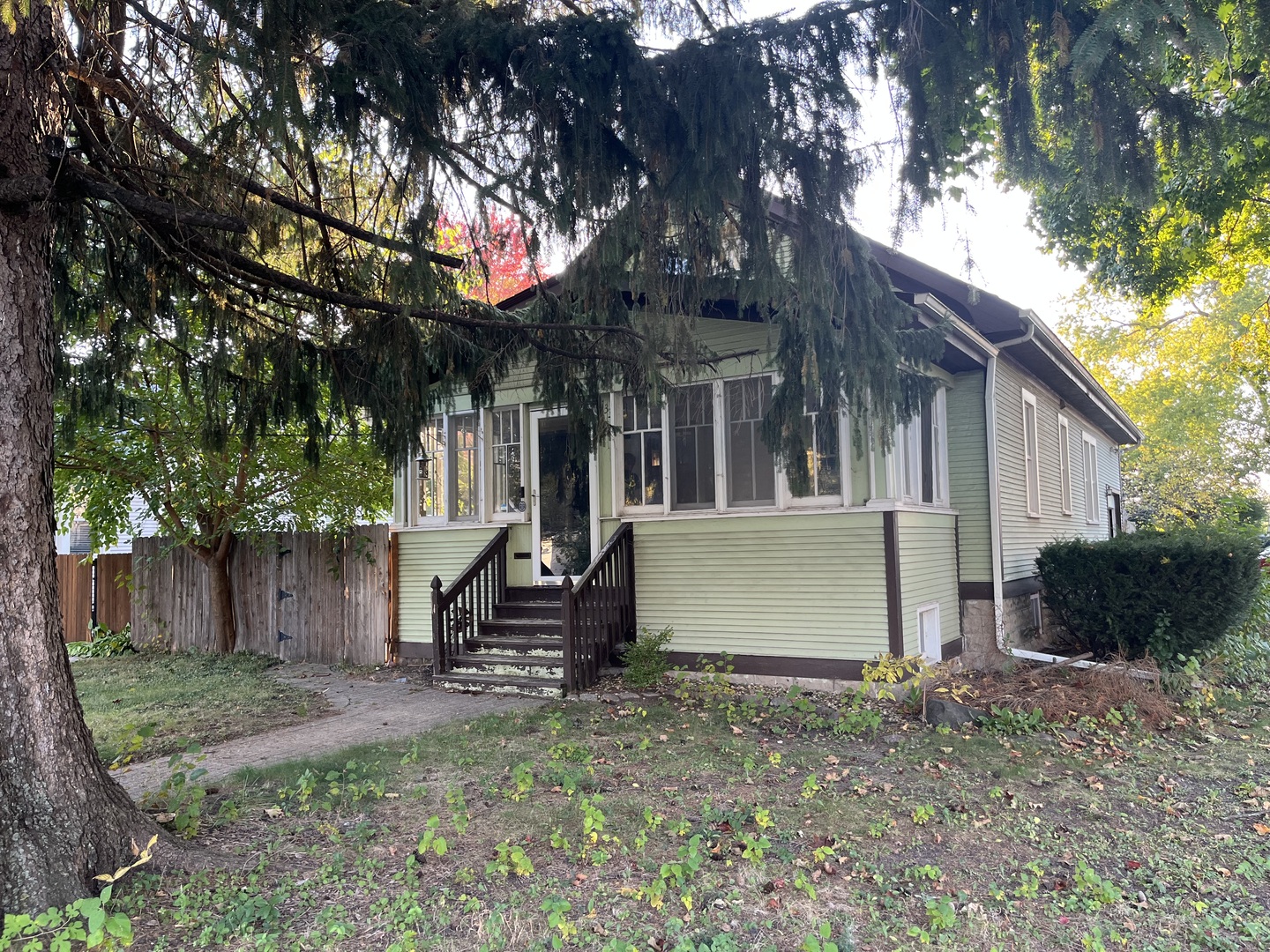
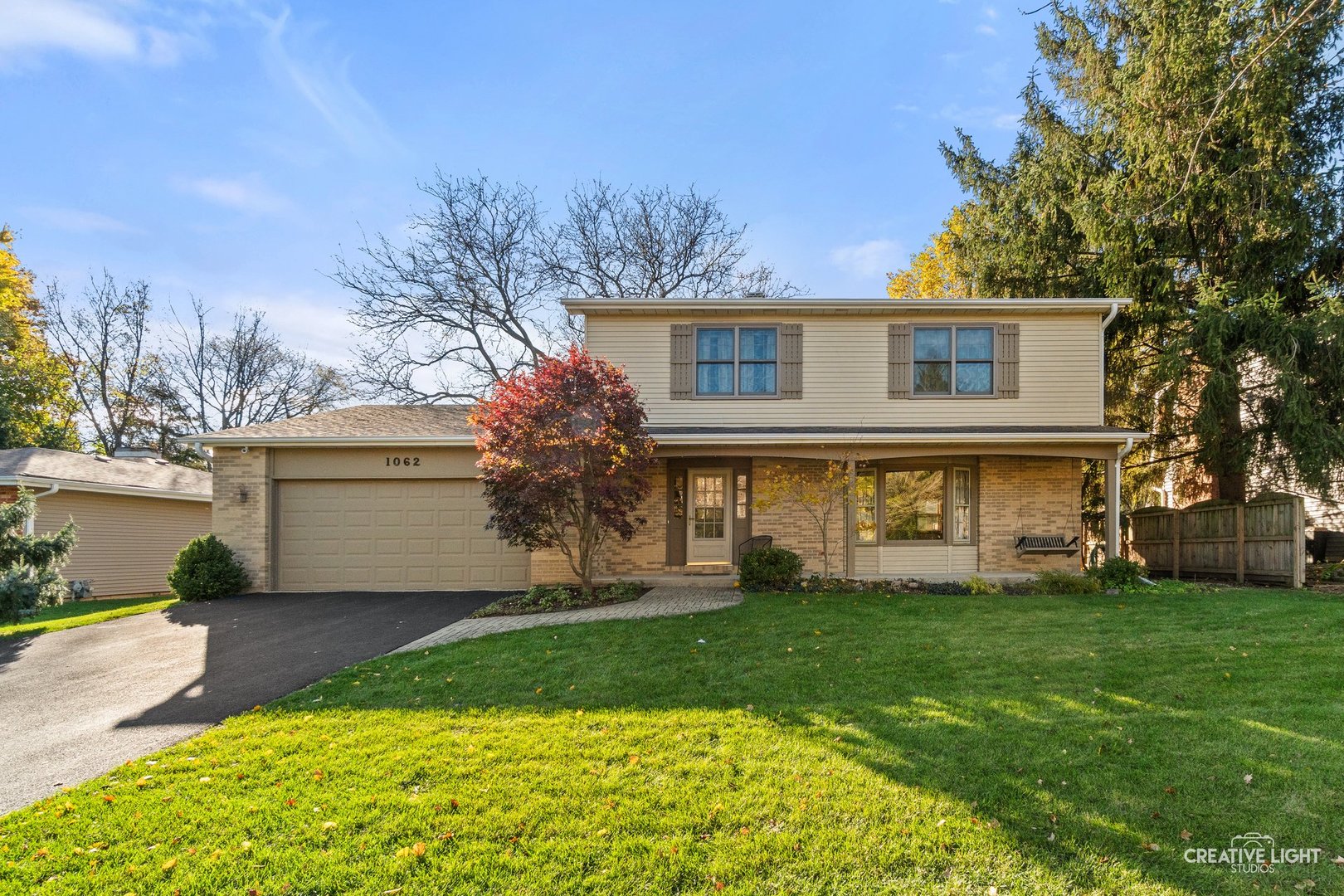
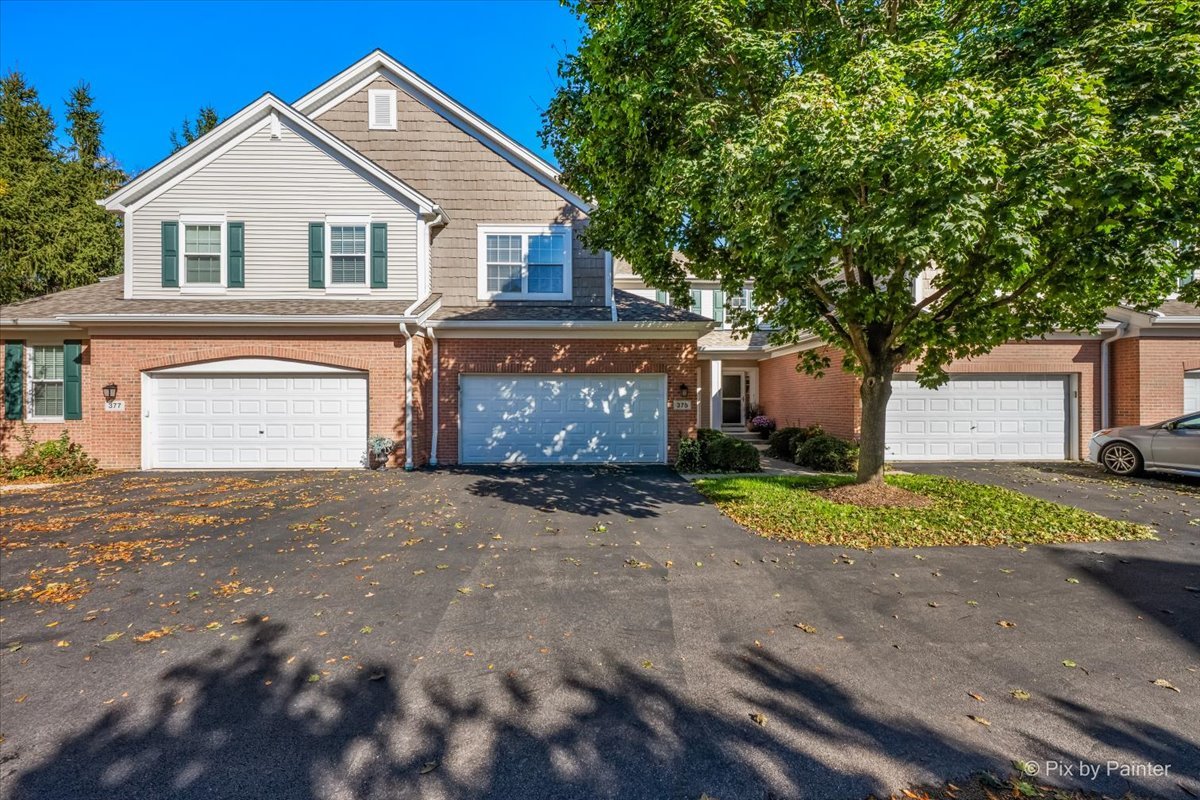
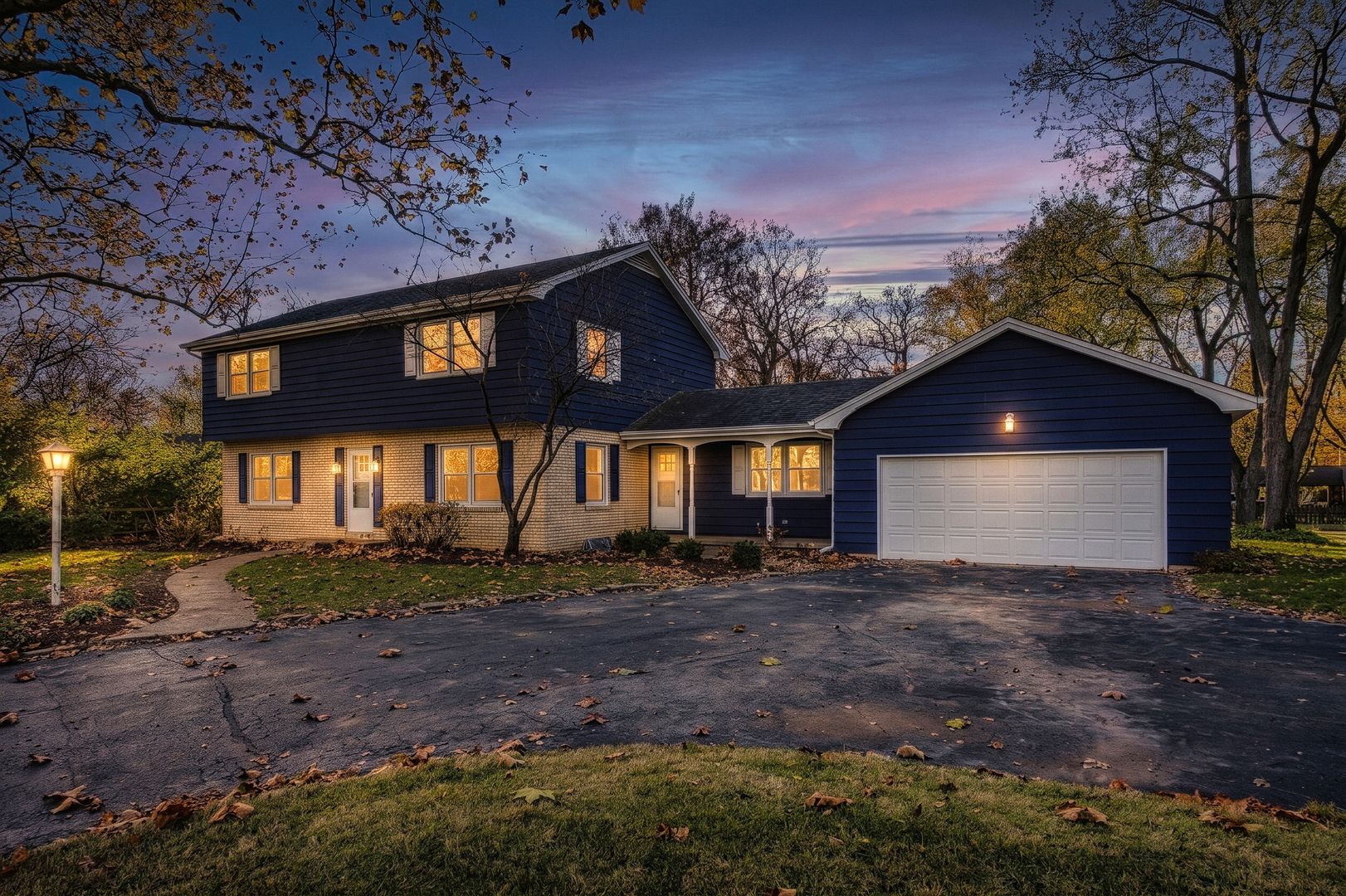
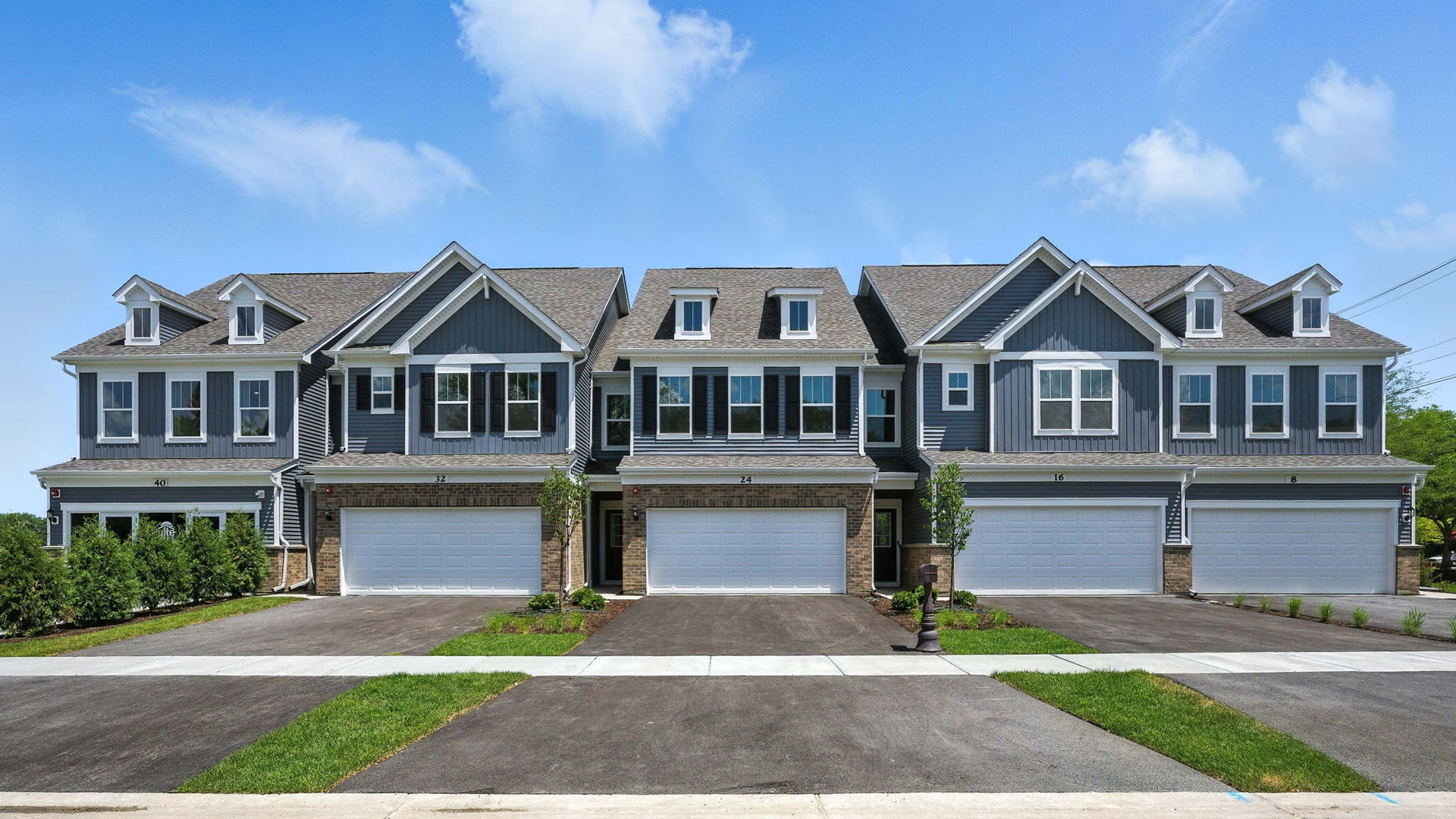
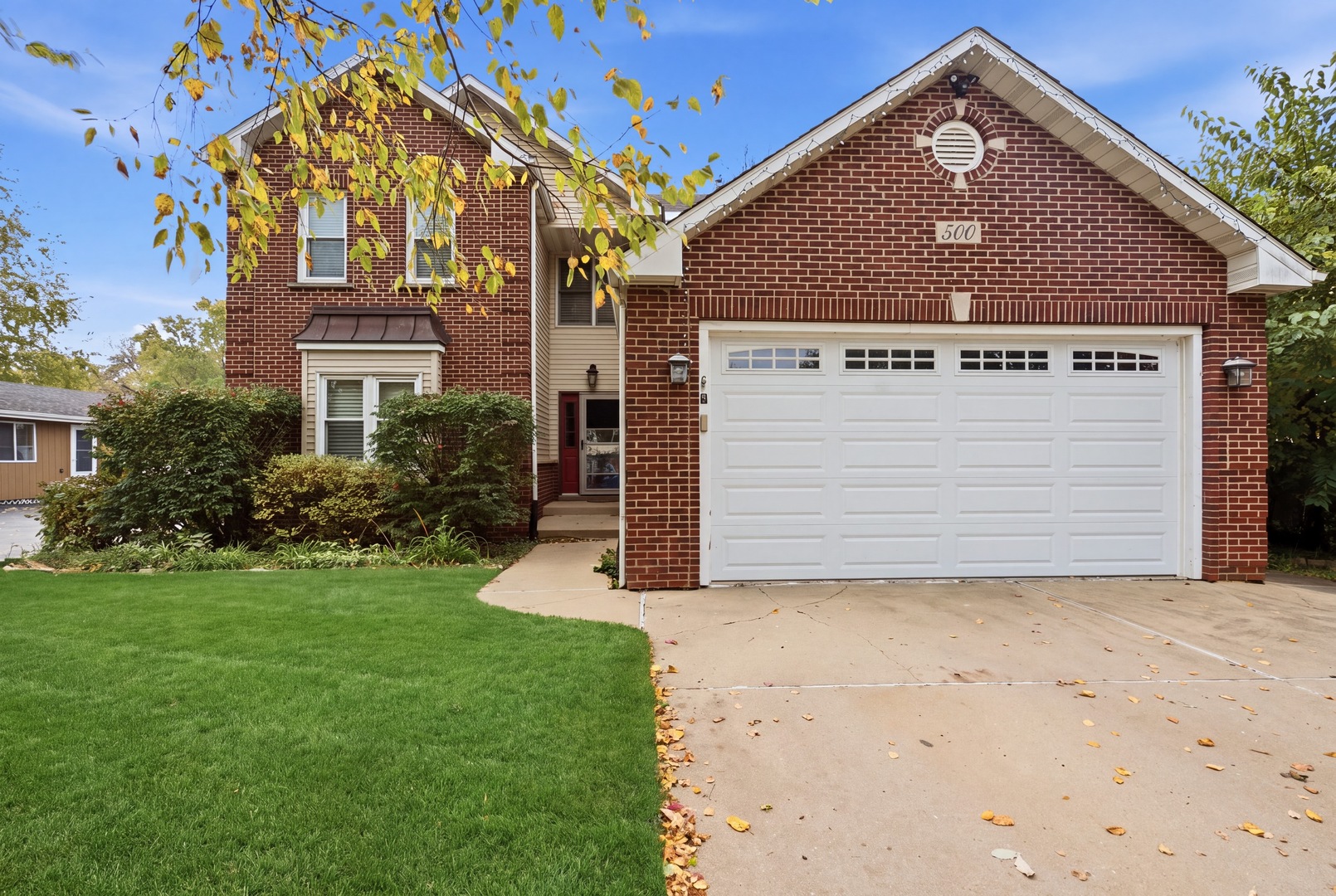
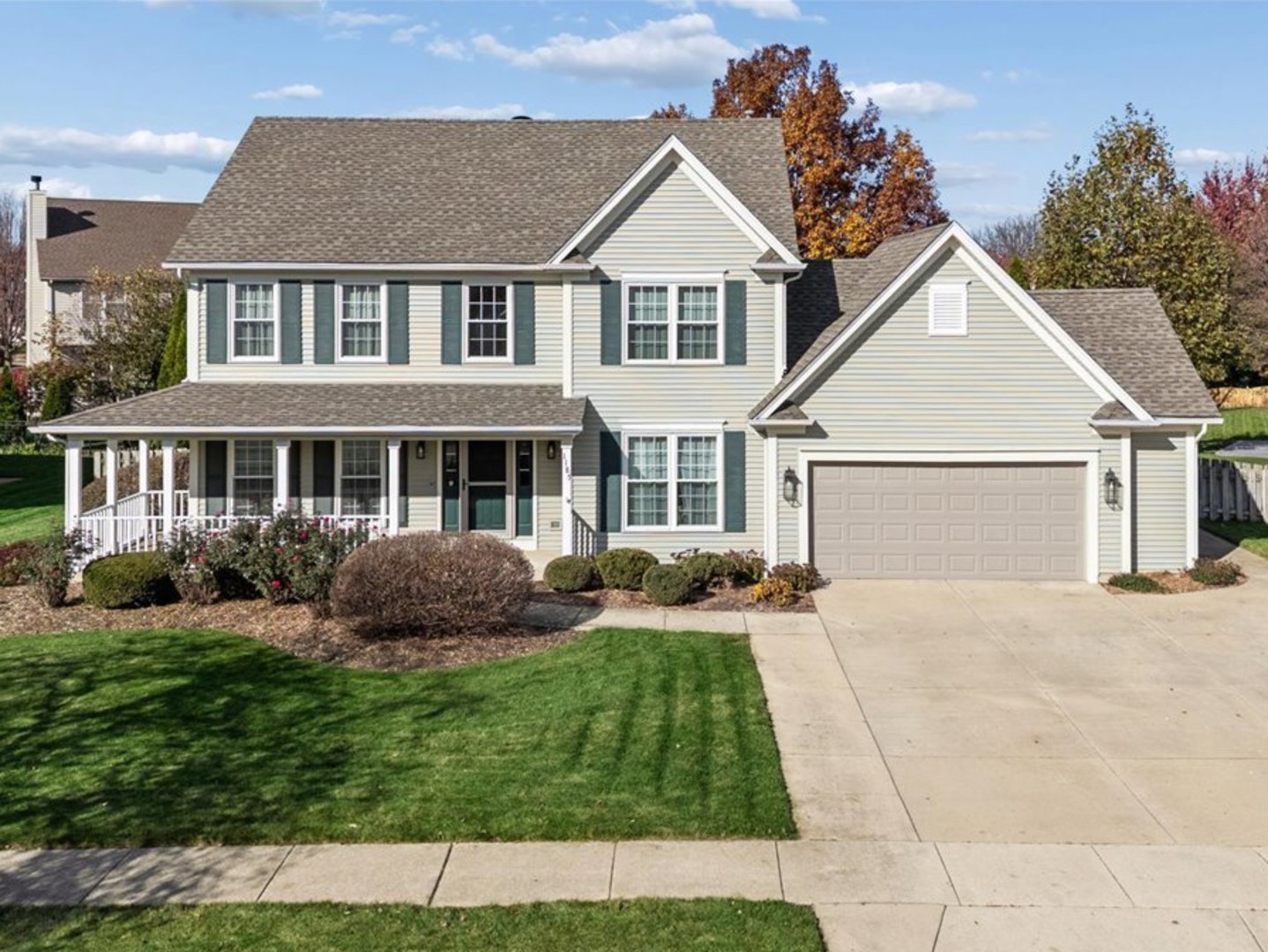
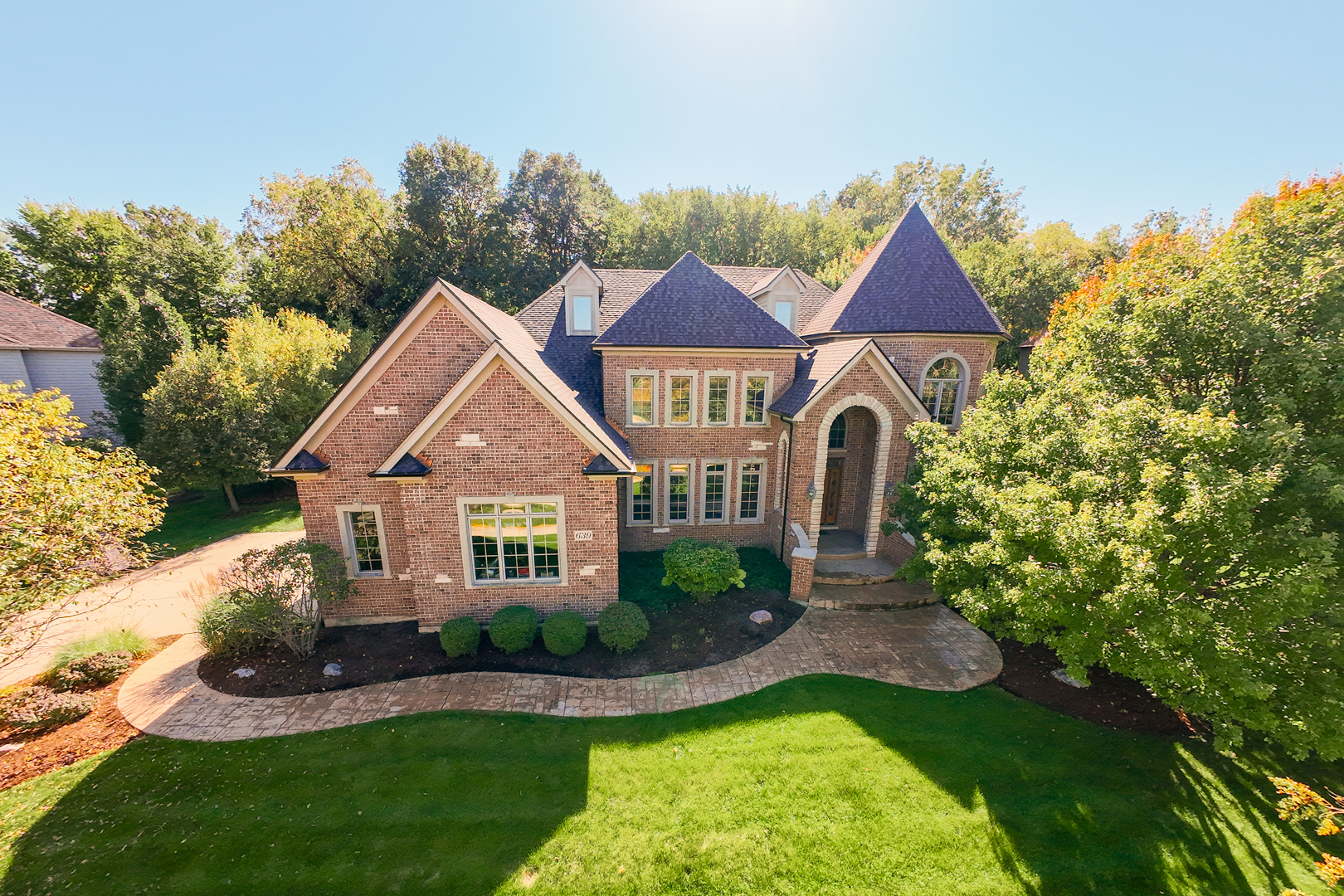
Limestone-era homes near downtown, 1970s to 2000s subdivisions. Batavia tends to draw buyers who want a drive-first lifestyle and solid, established neighborhoods, and the summary below covers homes, schools, commuting and everyday life.
Batavia in a sentence: the quietest of the Tri-Cities.
Prices vary a lot block to block, so treat these as a starting point and ask me for current comps on any street you like.
Batavia is served by Batavia District 101.
School boundaries don't always follow village lines, so always confirm the assigned schools for a specific address with the district.
Is Batavia, IL a good place to live?
For many buyers, yes, if the quietest of the Tri-Cities matches what you're looking for. The best way to decide is to compare it street by street with nearby towns like Geneva and North Aurora.
How much do homes cost in Batavia?
Typical prices run around $480K, ranging from about $300K to $900K.
How is the commute from Batavia to Chicago?
No Metra station in town; drive to Geneva.
What schools serve Batavia?
Batavia District 101. Confirm schools for any specific address with the district.
If you're considering Batavia, the biggest thing is narrowing down which part of town fits your priorities: commute, home style and budget.
Use the suburb guides on this site to compare Batavia with nearby areas (Geneva, North Aurora, St. Charles, Aurora), and if you want help choosing the right neighborhoods for your situation, reach out through the contact page to get a personalized short list.
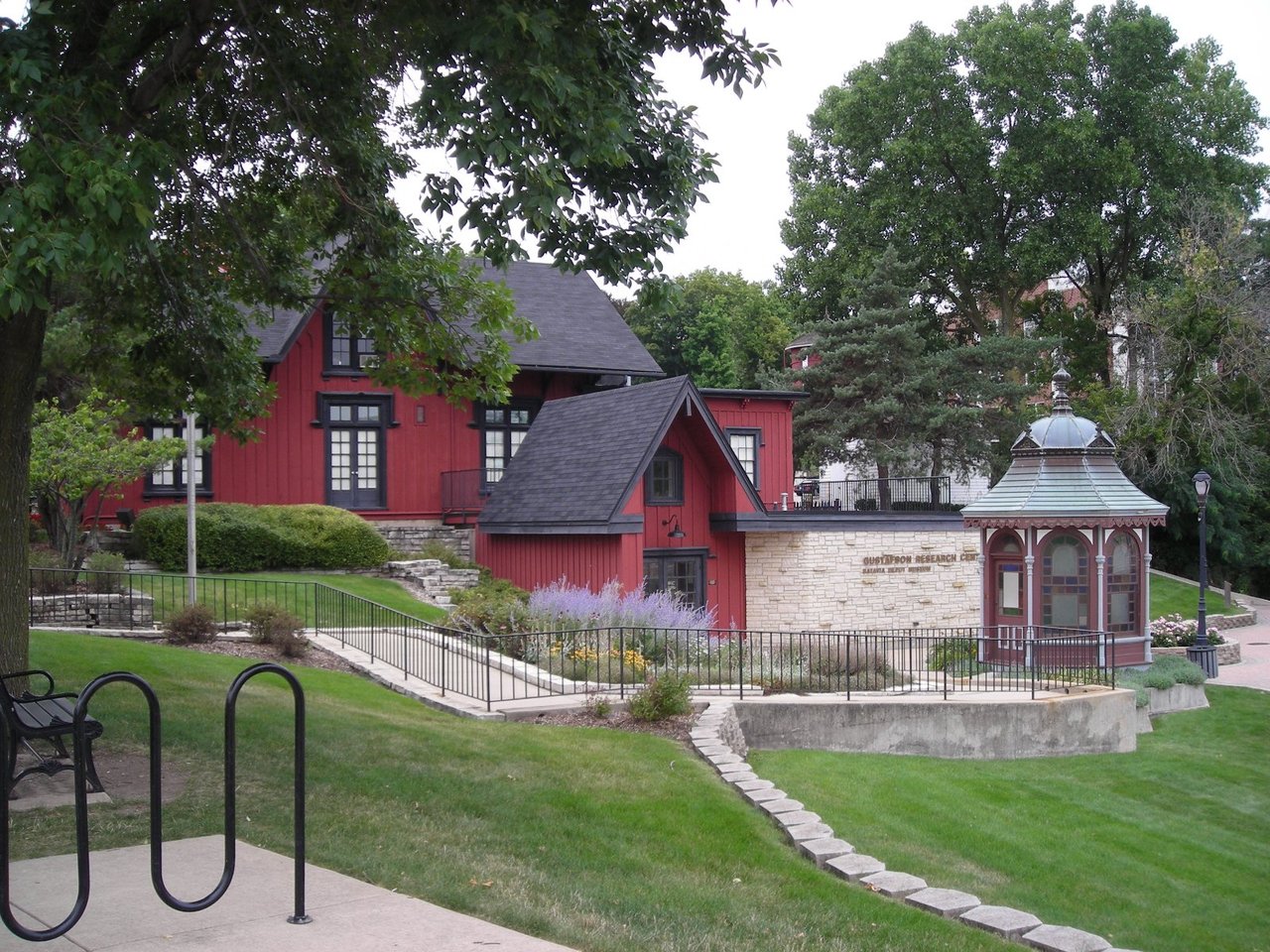
Photo: Chicago, Burlington, and Quincy Railroad Depot (Batavia, IL) 04 by G LeTourneau, CC BY-SA 3.0, via Wikimedia Commons.
There's plenty to do around Batavia, including shopping, dining, nightlife, parks, and more. Data provided by Walk Score and Yelp.
Explore popular things to do in the area, including Factor, Gammon Coach House, and Limestone Coffee & Tea.
| Name | Category | Distance | Reviews |
Ratings by
Yelp
|
|---|---|---|---|---|
| Dining | 0.06 miles | 1 review | 1/5 stars | |
| Dining · $$ | 0.15 miles | 151 reviews | 3.7/5 stars | |
| Dining · $ | 0.22 miles | 140 reviews | 4.4/5 stars | |
| Dining | 0.38 miles | 0 reviews | 0/5 stars | |
| Dining | 0.58 miles | 0 reviews | 0/5 stars | |
| Dining | 1.27 miles | 0 reviews | 0/5 stars | |
| Shopping | 0.32 miles | 0 reviews | 0/5 stars | |
| Shopping | 0.39 miles | 0 reviews | 0/5 stars | |
| Active | 0.15 miles | 0 reviews | 0/5 stars | |
| Active | 0.17 miles | 0 reviews | 0/5 stars | |
| Active | 0.18 miles | 0 reviews | 0/5 stars | |
| Active | 0.28 miles | 23 reviews | 4/5 stars | |
| Active | 0.34 miles | 0 reviews | 0/5 stars | |
| Active | 0.56 miles | 0 reviews | 0/5 stars | |
| Active | 0.74 miles | 0 reviews | 0/5 stars | |
| Active | 0.79 miles | 0 reviews | 0/5 stars | |
| Beauty | 0.04 miles | 0 reviews | 0/5 stars | |
| Beauty | 0.05 miles | 0 reviews | 0/5 stars | |
| Beauty | 0.14 miles | 0 reviews | 0/5 stars | |
| Beauty | 0.24 miles | 0 reviews | 0/5 stars | |
| Beauty | 0.25 miles | 1 review | 5/5 stars | |
| Beauty | 0.28 miles | 0 reviews | 0/5 stars | |
| Beauty | 0.44 miles | 0 reviews | 0/5 stars | |
|
|
||||
|
|
||||
|
|
||||
|
|
||||
|
|
||||
|
|
Batavia has 10,708 households, with an average household size of 2.53. Data provided by the U.S. Census Bureau. Here’s what the people living in Batavia do for work — and how long it takes them to get there. Data provided by the U.S. Census Bureau. 27,151 people call Batavia home. The population density is 2,496 and the largest age group is Data provided by the U.S. Census Bureau.
Total Population
Population Density Population Density This is the number of people per square mile in a neighborhood.
Median Age
Men vs Women
Population by Age Group
0-9 Years
10-17 Years
18-24 Years
25-64 Years
65-74 Years
75+ Years
Education Level
Total Households
Average Household Size
Average individual Income
Households with Children
With Children:
Without Children:
Marital Status
Blue vs White Collar Workers
Blue Collar:
White Collar:
Get assistance in determining current property value, crafting a competitive offer, writing and negotiating a contract, and much more. Let Chris guide you through your home-buying journey.
CHRIS GRANO HOME SPECIALISTS
608 S WASHINGTON ST # 100 NAPERVILLE IL 60540