Lake Bluff
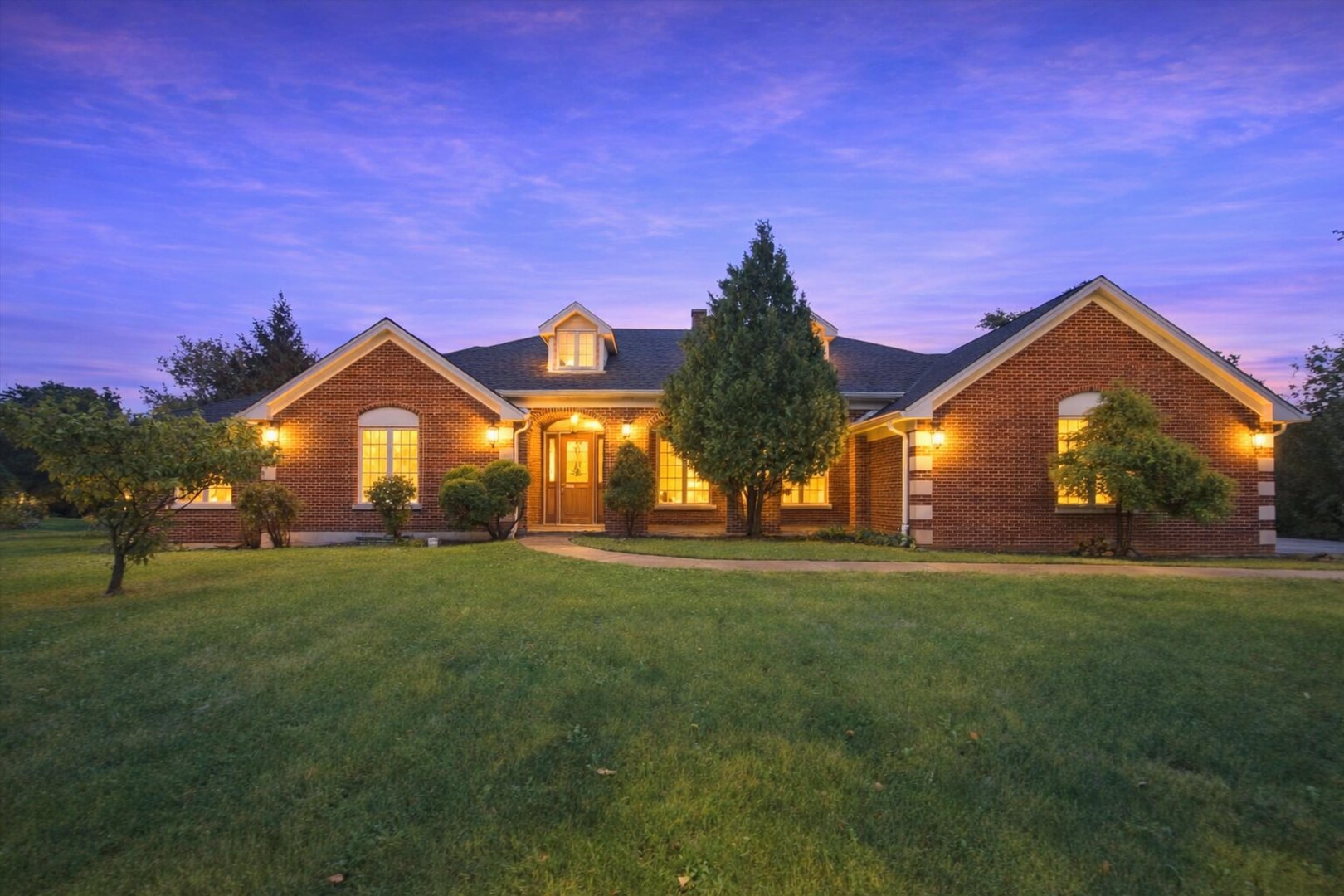
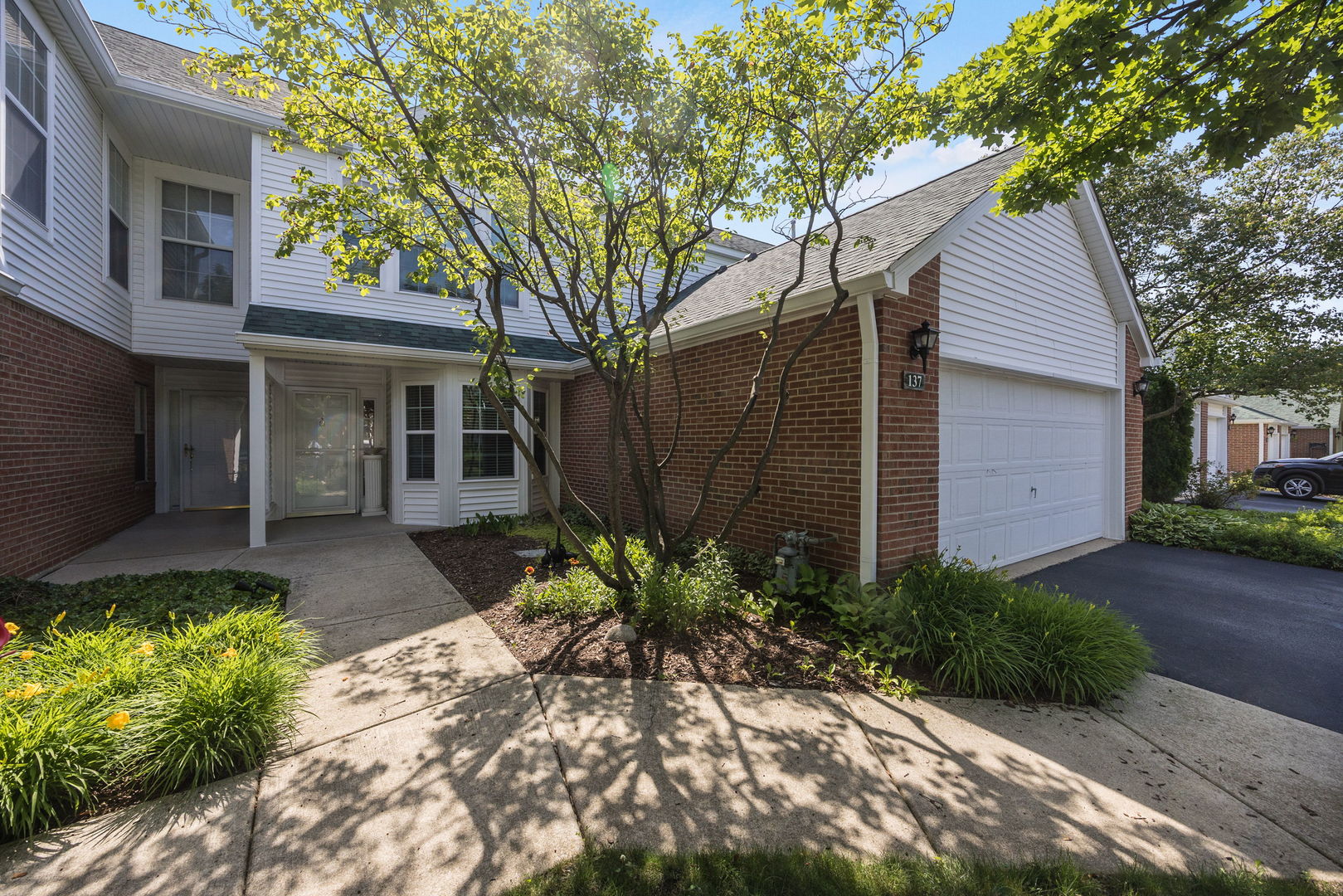
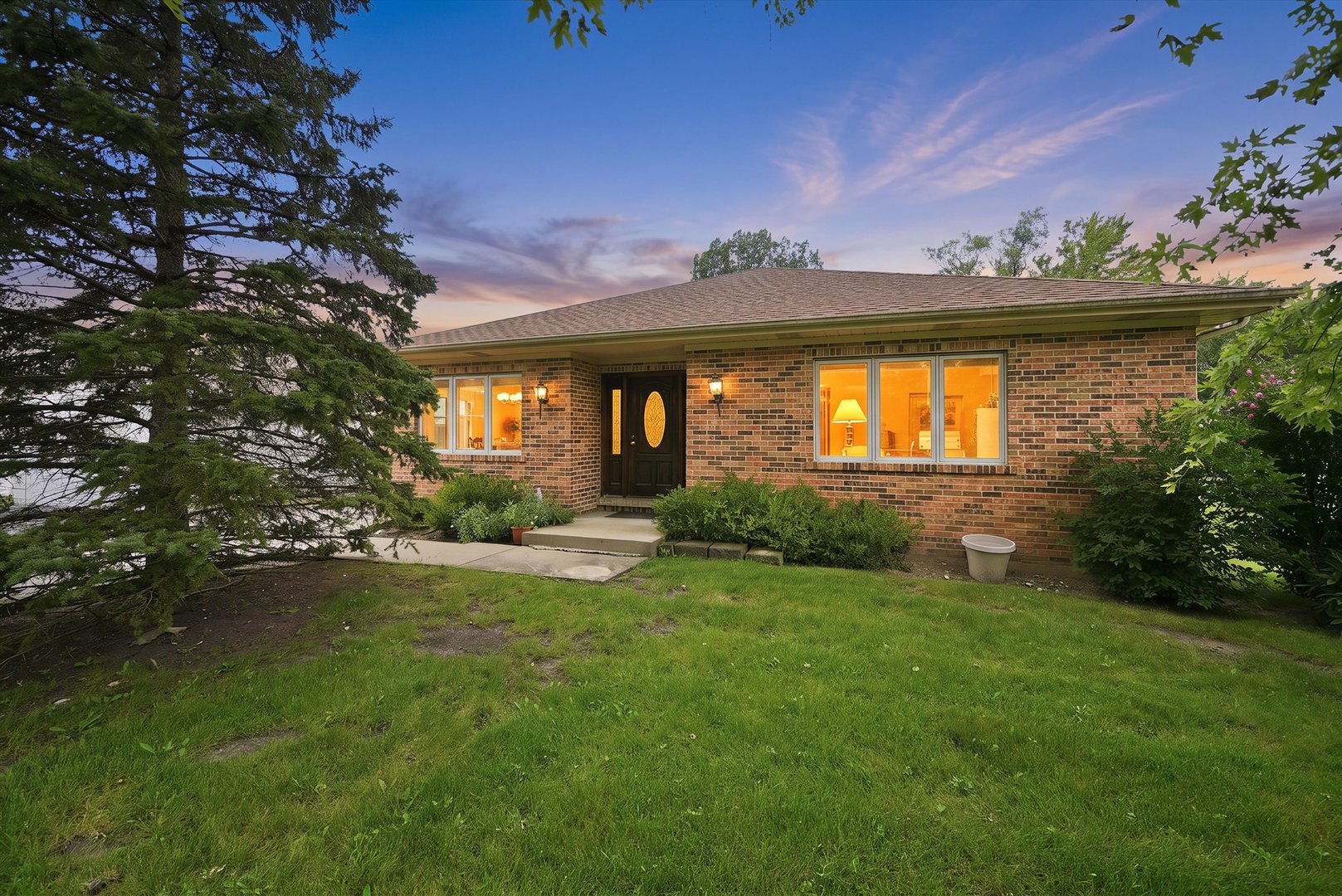
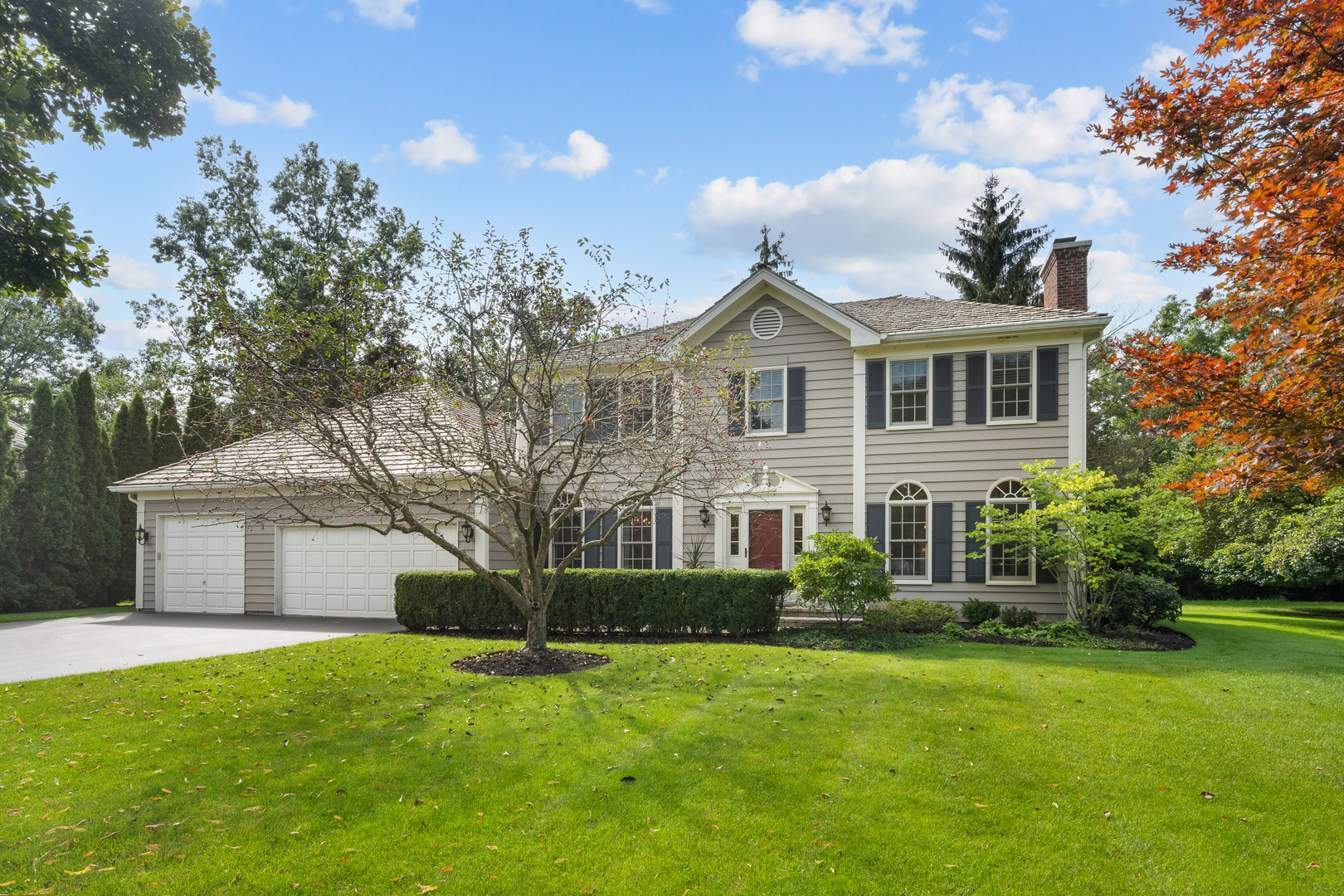
Lake Bluff is an intimate coastal village defined by dramatic bluffs, a highly walkable downtown, and a laid-back "neighborhood" feel that sets it apart from its more formal neighbors.
Lake Bluff is an intimate coastal village defined by dramatic bluffs, a highly walkable downtown, and a laid-back "neighborhood" feel that sets it apart from its more formal neighbors.
10,289 people live in Lake Bluff, where the median age is 44.3 and the average individual income is $85,400. Data provided by the U.S. Census Bureau.
Total Population
Median Age
Population Density Population Density This is the number of people per square mile in a neighborhood.
Average individual Income
Lake Bluff is an intimate coastal village defined by dramatic bluffs, a highly walkable downtown, and a laid-back "neighborhood" feel that sets it apart from its more formal neighbors. It offers a rare combination of top-tier schools, a vibrant local social scene, and a deep-seated community pride that centers around its historic Village Green and pristine beaches.
I’ve spent plenty of time in the busy western suburbs like Naperville, and let me tell you, every time I pull into Lake Bluff, it’s like my blood pressure instantly drops. I remember sitting on the Village Green last summer watching the "Bluffinia" concerts—everyone had their blankets out, wine was flowing, and the kids were just running free. I looked at my client and said, "You see this? You aren't just buying a house; you’re buying a lifestyle that feels like a permanent vacation." It’s got this down-to-earth, "L.L. Bean over Gucci" vibe that is incredibly refreshing for the North Shore. To me, it’s the quintessential village where you can walk to a world-class dinner and then be standing on a bluff overlooking the lake five minutes later.
Lake Bluff is often the choice for those who want charm without the pretension. It’s a village that prioritizes character over flash.
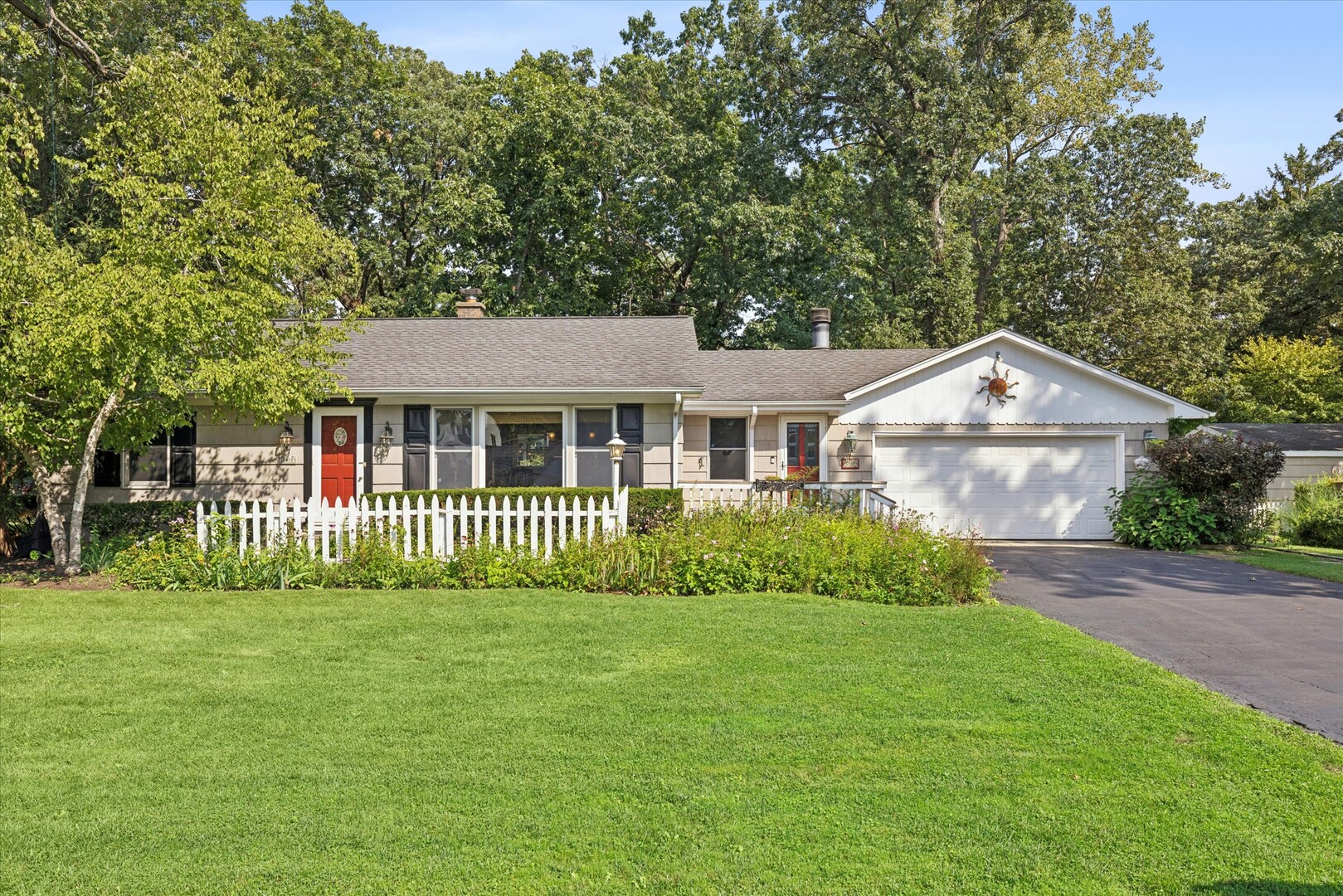
The "Town in a Park": The residential streets are a tapestry of architectural history—think 100-year-old Victorians near the center and sleek, modern glass houses tucked into the wooded bluffs.
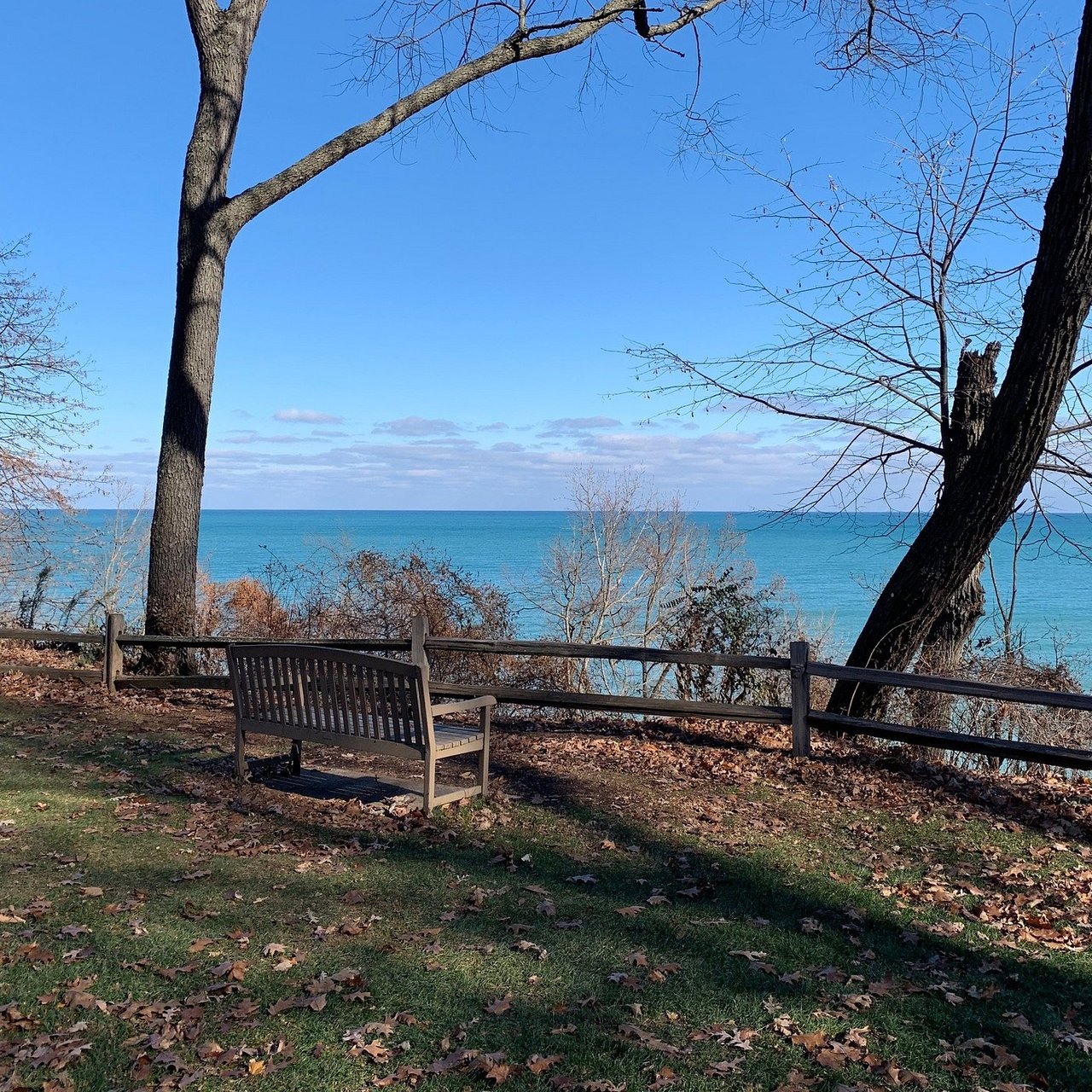
Secluded Bluffs: The topography here is dramatic. Unlike much of the Midwest, the "bluffs" provide a verticality that offers stunning lake views and a sense of natural enclosure that makes the neighborhood feel private and protected.
Ultimate Walkability: This is a true "15-minute city." You can leave your front door and be at the train station, the library, or your favorite bistro in minutes. For a realtor like me, that walkability score is a massive asset for long-term value.
The Morning: Life usually starts with a coffee from Maverick's or a quick pastry while catching the Metra. The station is right in the heart of town, making that 50-minute commute to the city surprisingly painless. If it’s a Saturday in April, you’re likely seeing neighbors at the early-season farmers' market or prepping for one of the community "Egg-stravaganza" events.
The Afternoon: Leisure is all about the lake. Lake Bluff Beach is a hidden gem with a protected swimming area and a yacht club that feels more like a casual hangout than an elite institution. If you’re not on the water, you’re likely biking the Robert McClory Bike Path or hitting the links at the Lake Bluff Golf Club.
The Evening: Dinner in Lake Bluff is about high quality without the stuffy dress code.
Inovasi: This is the local crown jewel—upscale, creative American fare that would hold its own in the West Loop.
The Lake Bluff Brewing Co.: The neighborhood "living room." It’s where you go for a craft pint and a burger after a long week.
Mavery Public House: A go-to for refined comfort food in a cozy, historic building that perfectly captures the village's soul.
In 2026, the Lake Bluff market remains a "seller’s market," primarily because once people move here, they simply don't leave.
Competitive Pricing: We’re seeing median sale prices in the $1.3M range, a significant jump as buyers compete for the limited inventory near the lake and the village center.
Inventory Scarcity: It’s a tight market. In March alone, we only saw about 14 homes sell, but they went fast—often selling at or above list price if they were "move-in ready."
Investment Stability: Because of the strict zoning and the finite amount of land on the bluffs, these properties are incredible legacy assets. You aren't just buying a home; you're securing a piece of a very small, very desirable pie.
Lake Bluff students are served by Lake Bluff District 65 for K-8 and then head to Lake Forest High School.
Personalized Learning: The elementary and middle schools offer a small-school environment that you just can't find in the larger suburban districts. It allows for a level of teacher-student connection that really shows in the test scores.
Lake Forest High School: One of the best public high schools in the state. It offers a powerhouse of AP courses, athletics, and fine arts programs, ensuring kids are ready for the Ivy League or whatever their next step is.
Is it too quiet for a city person? Not at all. The dining scene is sophisticated enough to satisfy any foodie, and the community energy during the summer festivals keeps the "boredom" at bay.
How is the commute in 2026? The Metra is still the gold standard here. Plus, with the new 2026 construction programs modernizing the local roads and bridges, getting around the North Shore is smoother than ever.
What is the "Beach Pass"? It’s the local "golden ticket." It keeps the beach exclusive to residents and their guests, which is why it stays so clean and peaceful even in the height of July.
There's plenty to do around Lake Bluff, including shopping, dining, nightlife, parks, and more. Data provided by Walk Score and Yelp.
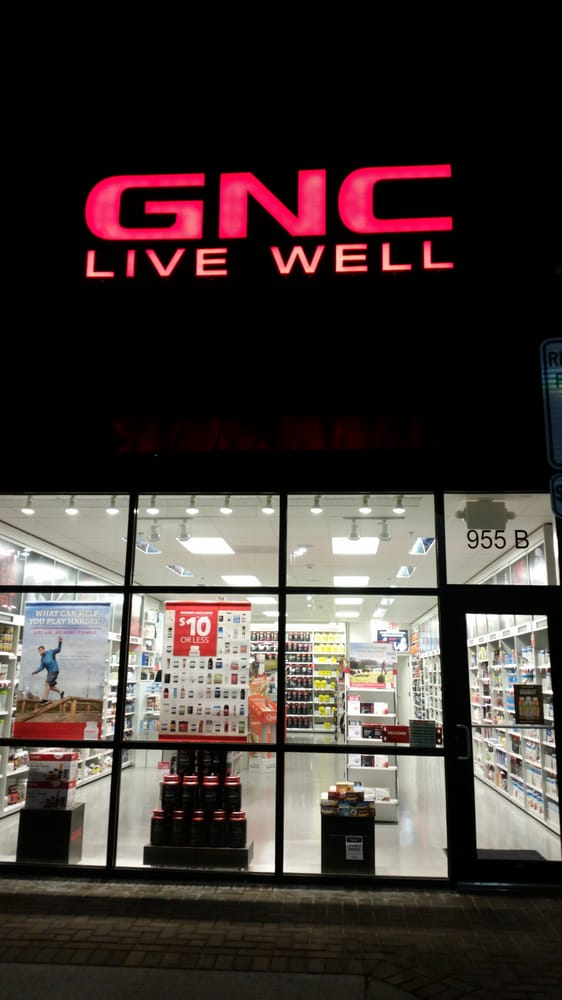
Explore popular things to do in the area, including GNC, Peachy Delivery, and Scooters.
| Name | Category | Distance | Reviews |
Ratings by
Yelp
|
|---|---|---|---|---|
| Dining · $$$ | 0.2 miles | 2 reviews | 2.5/5 stars | |
| Dining | 0.85 miles | 0 reviews | 0/5 stars | |
| Dining · $ | 0.96 miles | 91 reviews | 3.7/5 stars | |
| Dining · $ | 0.97 miles | 0 reviews | 0/5 stars | |
| Dining | 0.97 miles | 0 reviews | 0/5 stars | |
| Dining | 1.03 miles | 0 reviews | 0/5 stars | |
| Shopping | 0.56 miles | 0 reviews | 0/5 stars | |
| Shopping | 0.97 miles | 0 reviews | 0/5 stars | |
| Shopping | 0.98 miles | 2 reviews | 1/5 stars | |
| Shopping | 1.11 miles | 0 reviews | 0/5 stars | |
| Active | 0.42 miles | 0 reviews | 0/5 stars | |
| Active | 0.59 miles | 3 reviews | 4/5 stars | |
| Active | 0.67 miles | 0 reviews | 0/5 stars | |
| Active | 0.87 miles | 6 reviews | 3.7/5 stars | |
| Active | 0.97 miles | 0 reviews | 0/5 stars | |
| Active | 0.97 miles | 0 reviews | 0/5 stars | |
| Active | 1.01 miles | 0 reviews | 0/5 stars | |
| Beauty | 0.72 miles | 0 reviews | 0/5 stars | |
| Beauty | 0.89 miles | 3 reviews | 4.3/5 stars | |
| Beauty | 0.91 miles | 4 reviews | 4/5 stars | |
| Beauty | 0.96 miles | 4 reviews | 3.8/5 stars | |
| Beauty | 0.97 miles | 0 reviews | 0/5 stars | |
| Beauty | 1.01 miles | 0 reviews | 0/5 stars | |
| Beauty | 1.04 miles | 0 reviews | 0/5 stars | |
|
|
||||
|
|
||||
|
|
||||
|
|
||||
|
|
||||
|
|
Lake Bluff has 4,284 households, with an average household size of 2.38. Data provided by the U.S. Census Bureau. Here’s what the people living in Lake Bluff do for work — and how long it takes them to get there. Data provided by the U.S. Census Bureau. 10,289 people call Lake Bluff home. The population density is 1,516 and the largest age group is Data provided by the U.S. Census Bureau.
Total Population
Population Density Population Density This is the number of people per square mile in a neighborhood.
Median Age
Men vs Women
Population by Age Group
0-9 Years
10-17 Years
18-24 Years
25-64 Years
65-74 Years
75+ Years
Education Level
Total Households
Average Household Size
Average individual Income
Households with Children
With Children:
Without Children:
Marital Status
Blue vs White Collar Workers
Blue Collar:
White Collar:
Get assistance in determining current property value, crafting a competitive offer, writing and negotiating a contract, and much more. Let Chris guide you through your home-buying journey.
CHRIS GRANO HOME SPECIALISTS
608 S WASHINGTON ST # 100 NAPERVILLE IL 60540