
Which Chicago Suburb is best for YOU? A Step-by-Step Guide for Homebuyers
November 19, 2026
November 19, 2026
One of the questions I hear most from buyers is some version of "Where should we actually live?" and it makes total sense, because the Chicago suburbs cover a huge amount of ground with dozens of towns that each have their own personality, price point, and pace of life. I grew up in Berwyn and spent a lot of my childhood hanging around Riverside, Lyons, LaGrange etc. so I know firsthand how much the right town shapes your everyday life, from where you grab coffee on Saturday morning to how long you sit in traffic on a Tuesday. Choosing your suburb is every bit as important as choosing your house, so I put together this guide to help you narrow things down with confidence.
If you want a head start before you dig in, take my free Find Your Perfect Chicago Suburb Quiz. It takes just a few minutes, asks about the things that matter most to you, and matches you with suburbs that fit your lifestyle so you have a shortlist to start exploring.
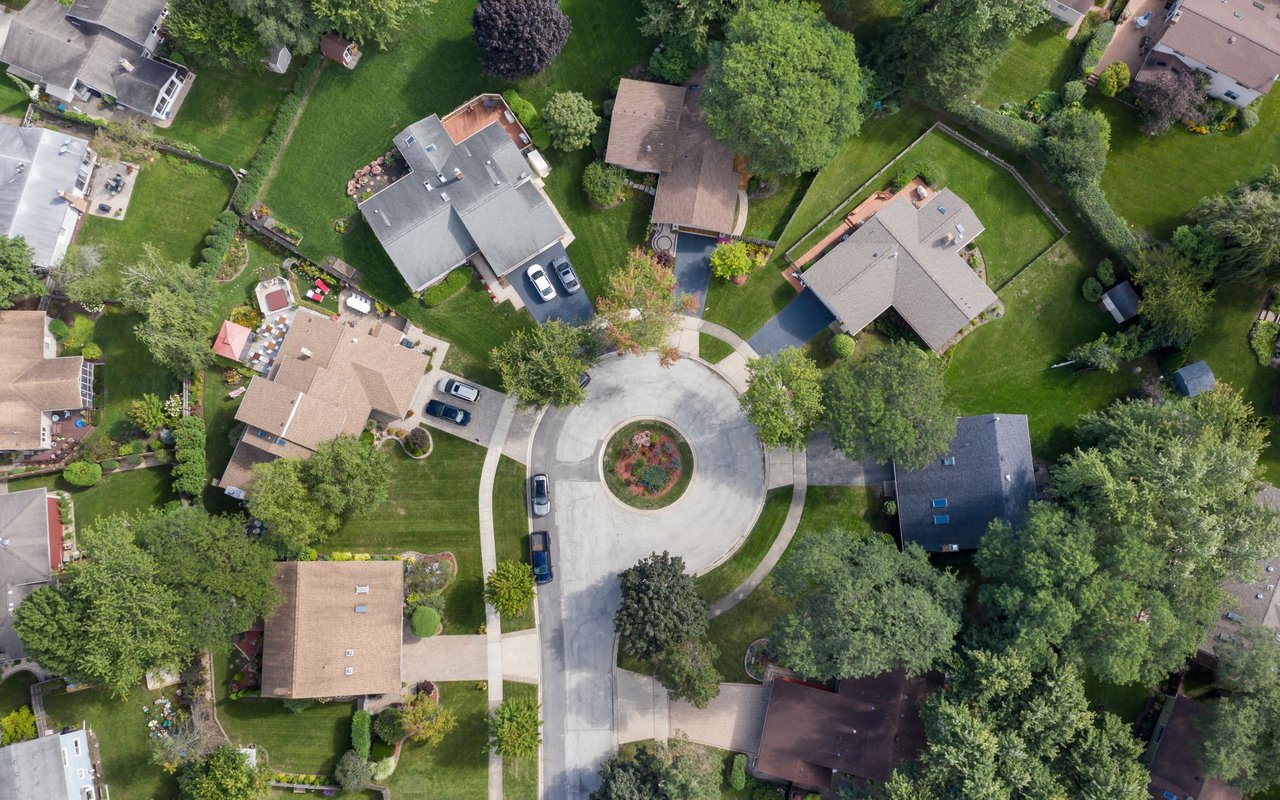
Before you look at a single listing, take an honest look at what your days, evenings, and weekends really look like. Some buyers want a walkable downtown with restaurants and a train station a few blocks away, while others are happiest with a big backyard, quiet streets, and plenty of space between neighbors. Think about the activities you never want to give up, whether that's golf, biking trails, live music, or simply being close to family, because those priorities will point you toward certain parts of Chicagoland and away from others.
A few questions worth asking yourself:
Your commute will shape your daily life more than almost anything else, so it deserves real attention early in the search. If you work downtown, being close to a Metra line can make a huge difference, and each line serves a different stretch of suburbs, from the BNSF running out through the western suburbs to the Union Pacific North line hugging the North Shore. If you drive, think about which expressways you'll rely on, like I-290, I-88, I-55, I-294, or I-90, and test the drive during actual rush hour before you fall in love with a home.
If you work from home or have a hybrid schedule, your priorities may look a little different, and you might be able to trade a longer occasional commute for more space or a lower price point farther out.
Home prices vary widely across the suburbs, and so do property taxes, which can change your monthly payment more than many buyers expect. Illinois has some of the highest property taxes in the country, and two homes at the same price in neighboring towns can come with very different tax bills depending on the county, township, and school district. When you compare suburbs, look at the full monthly picture, including your mortgage, taxes, insurance, and any HOA dues, so you know what a town will truly cost you.
This is also the perfect time to get preapproved, because knowing your real budget helps you focus on suburbs where your money goes the furthest.
For families, school districts are often at the very top of the list, and the Illinois Report Card website is a great place to compare test scores, class sizes, and programs. Even if you don't have kids, strong schools tend to support home values and resale demand over time, which makes them worth considering for any buyer who wants to protect their investment.
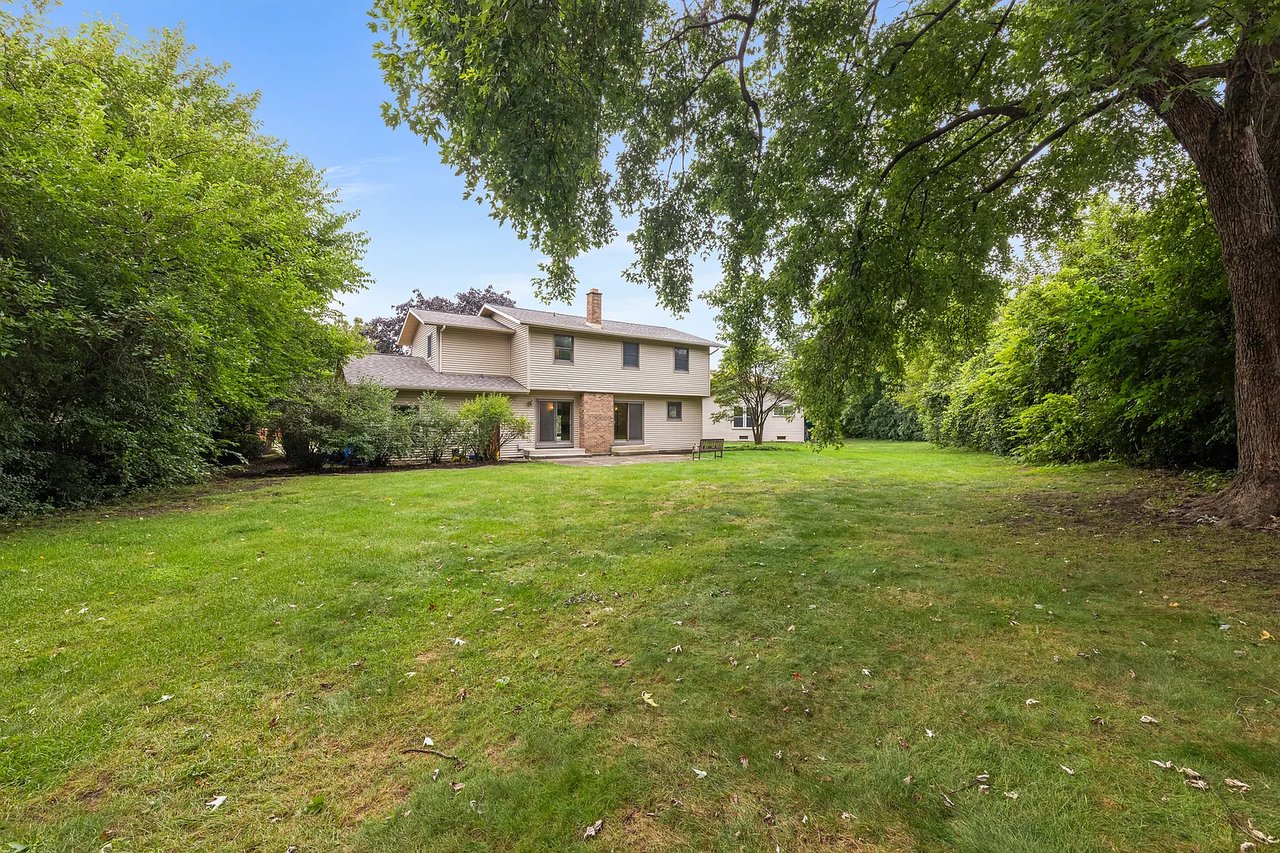
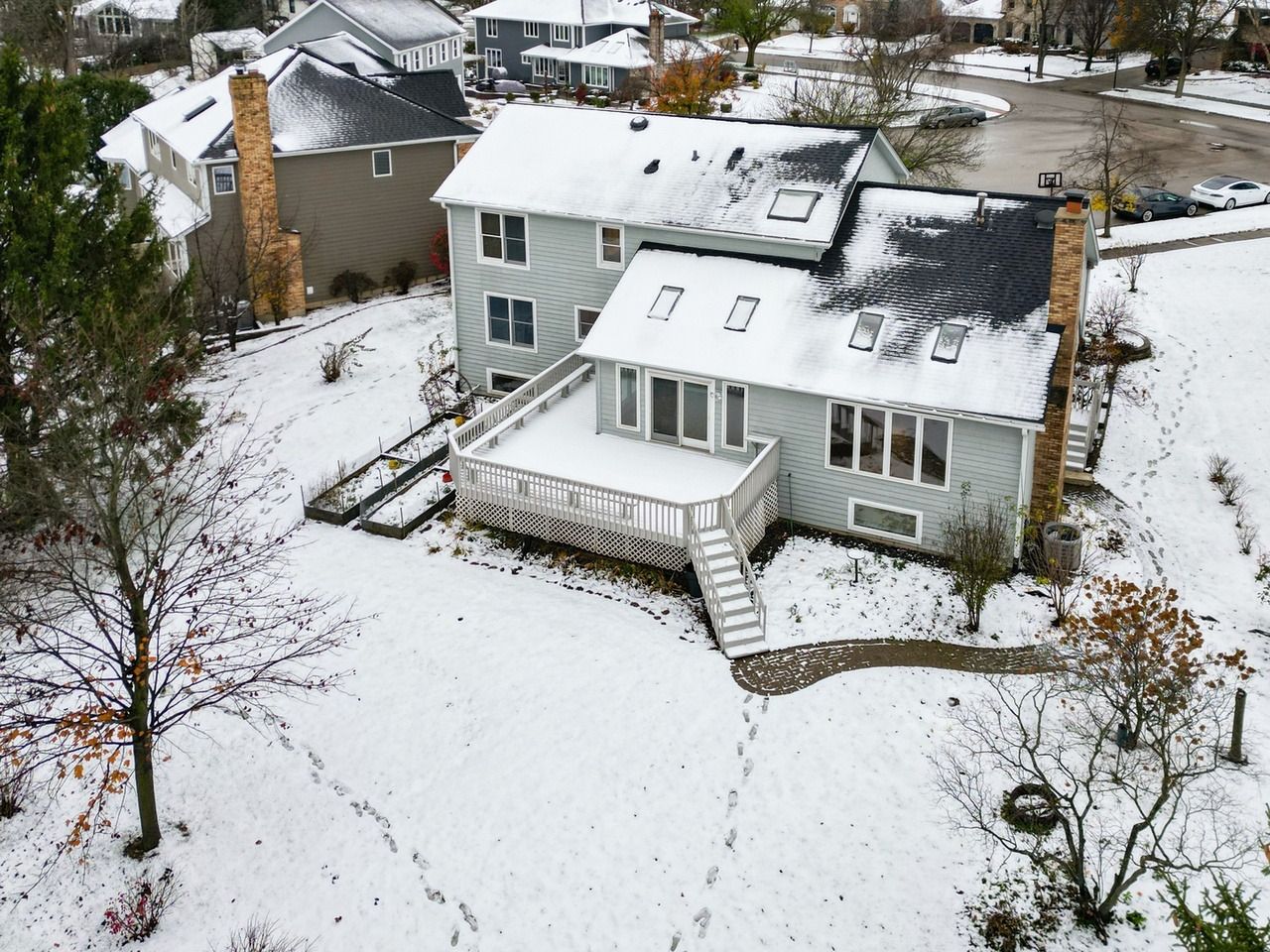
Each area of Chicagoland tends to have its own housing style, so your dream home can actually help point you toward the right suburbs. Close-in towns like Berwyn, Oak Park, and Forest Park are known for classic bungalows, vintage homes, and tree-lined blocks, while many suburbs farther out offer newer construction, larger lots, and more modern floor plans. If you love character and charm, you might lean toward older established neighborhoods, and if you want open layouts and fewer projects, newer developments may be a better fit.
Numbers only tell part of the story, and the overall vibe of a town matters just as much. Look at what the park district offers, check out the summer festivals and farmers markets, and see how active the downtown is on a weeknight compared to a weekend. Following a town's social media pages and local Facebook groups is also a great way to see what residents care about and what everyday life looks like there.
Once you have a shortlist, spend some real time in each suburb before you start touring homes. Grab breakfast on a Saturday, drive through during the evening rush, and walk around after dark so you can see how the town feels at different moments, because a quiet street at noon can feel very different at 5:30 on a weekday.
The right suburb should fit the life you're building, so think beyond where you are today. First-time buyers may want room to grow into, move-up buyers often want more space and top schools, relocating families need a smooth landing, and empty nesters may be looking to downsize somewhere walkable with less upkeep. Picturing where you'll be in five or ten years can help you choose a town you'll be happy in for the long haul.
If all of this feels like a lot to sort through, my Find Your Perfect Chicago Suburb Quiz is the easiest place to start. You'll answer a few quick questions about your lifestyle and priorities, and you'll walk away with a list of suburbs that match what you're looking for, which makes the rest of your search feel a whole lot more focused.
Once you have your shortlist, I'd love to help you explore it, whether that means touring neighborhoods together, comparing taxes and schools side by side, or setting up a home search for the towns you're most excited about. Finding the right suburb is one of my favorite parts of this job, and I'm here to make the process feel exciting and easy from start to finish.
Reach out anytime at ChrisGrano.com, email me at [email protected], or call or text me at (630) 864-6449.


Home Buying Tips

Real Estate Advice

Home Improvement


Get assistance in determining current property value, crafting a competitive offer, writing and negotiating a contract, and much more. Let Chris guide you through your home-buying journey.
CHRIS GRANO HOME SPECIALISTS
608 S WASHINGTON ST # 100 NAPERVILLE IL 60540